
Get trending papers in your email inbox once a day!
Get trending papers in your email inbox!
Subscribe

AFSD-Physics: Exploring the governing equations of temperature evolution during additive friction stir deposition by a human-AI teaming approach
This paper presents a modeling effort to explore the underlying physics of temperature evolution during additive friction stir deposition (AFSD) by a human-AI teaming approach. AFSD is an emerging solid-state additive manufacturing technology that deposits materials without melting. However, both process modeling and modeling of the AFSD tool are at an early stage. In this paper, a human-AI teaming approach is proposed to combine models based on first principles with AI. The resulting human-informed machine learning method, denoted as AFSD-Physics, can effectively learn the governing equations of temperature evolution at the tool and the build from in-process measurements. Experiments are designed and conducted to collect in-process measurements for the deposition of aluminum 7075 with a total of 30 layers. The acquired governing equations are physically interpretable models with low computational cost and high accuracy. Model predictions show good agreement with the measurements. Experimental validation with new process parameters demonstrates the model's generalizability and potential for use in tool temperature control and process optimization.
AdditiveLLM: Large Language Models Predict Defects in Additive Manufacturing
In this work we investigate the ability of large language models to predict additive manufacturing defect regimes given a set of process parameter inputs. For this task we utilize a process parameter defect dataset to fine-tune a collection of models, titled AdditiveLLM, for the purpose of predicting potential defect regimes including Keyholing, Lack of Fusion, and Balling. We compare different methods of input formatting in order to gauge the model's performance to correctly predict defect regimes on our sparse Baseline dataset and our natural language Prompt dataset. The model displays robust predictive capability, achieving an accuracy of 93\% when asked to provide the defect regimes associated with a set of process parameters. The incorporation of natural language input further simplifies the task of process parameters selection, enabling users to identify optimal settings specific to their build.

Mixture cure semiparametric additive hazard models under partly interval censoring -- a penalized likelihood approach
Survival analysis can sometimes involve individuals who will not experience the event of interest, forming what is known as the cured group. Identifying such individuals is not always possible beforehand, as they provide only right-censored data. Ignoring the presence of the cured group can introduce bias in the final model. This paper presents a method for estimating a semiparametric additive hazards model that accounts for the cured fraction. Unlike regression coefficients in a hazard ratio model, those in an additive hazard model measure hazard differences. The proposed method uses a primal-dual interior point algorithm to obtain constrained maximum penalized likelihood estimates of the model parameters, including the regression coefficients and the baseline hazard, subject to certain non-negativity constraints.
Modeling and design of heterogeneous hierarchical bioinspired spider web structures using generative deep learning and additive manufacturing
Spider webs are incredible biological structures, comprising thin but strong silk filament and arranged into complex hierarchical architectures with striking mechanical properties (e.g., lightweight but high strength, achieving diverse mechanical responses). While simple 2D orb webs can easily be mimicked, the modeling and synthesis of 3D-based web structures remain challenging, partly due to the rich set of design features. Here we provide a detailed analysis of the heterogenous graph structures of spider webs, and use deep learning as a way to model and then synthesize artificial, bio-inspired 3D web structures. The generative AI models are conditioned based on key geometric parameters (including average edge length, number of nodes, average node degree, and others). To identify graph construction principles, we use inductive representation sampling of large experimentally determined spider web graphs, to yield a dataset that is used to train three conditional generative models: 1) An analog diffusion model inspired by nonequilibrium thermodynamics, with sparse neighbor representation, 2) a discrete diffusion model with full neighbor representation, and 3) an autoregressive transformer architecture with full neighbor representation. All three models are scalable, produce complex, de novo bio-inspired spider web mimics, and successfully construct graphs that meet the design objectives. We further propose algorithm that assembles web samples produced by the generative models into larger-scale structures based on a series of geometric design targets, including helical and parametric shapes, mimicking, and extending natural design principles towards integration with diverging engineering objectives. Several webs are manufactured using 3D printing and tested to assess mechanical properties.
Predicting Thermoelectric Power Factor of Bismuth Telluride During Laser Powder Bed Fusion Additive Manufacturing
An additive manufacturing (AM) process, like laser powder bed fusion, allows for the fabrication of objects by spreading and melting powder in layers until a freeform part shape is created. In order to improve the properties of the material involved in the AM process, it is important to predict the material characterization property as a function of the processing conditions. In thermoelectric materials, the power factor is a measure of how efficiently the material can convert heat to electricity. While earlier works have predicted the material characterization properties of different thermoelectric materials using various techniques, implementation of machine learning models to predict the power factor of bismuth telluride (Bi2Te3) during the AM process has not been explored. This is important as Bi2Te3 is a standard material for low temperature applications. Thus, we used data about manufacturing processing parameters involved and in-situ sensor monitoring data collected during AM of Bi2Te3, to train different machine learning models in order to predict its thermoelectric power factor. We implemented supervised machine learning techniques using 80% training and 20% test data and further used the permutation feature importance method to identify important processing parameters and in-situ sensor features which were best at predicting power factor of the material. Ensemble-based methods like random forest, AdaBoost classifier, and bagging classifier performed the best in predicting power factor with the highest accuracy of 90% achieved by the bagging classifier model. Additionally, we found the top 15 processing parameters and in-situ sensor features to characterize the material manufacturing property like power factor. These features could further be optimized to maximize power factor of the thermoelectric material and improve the quality of the products built using this material.
Employing Explainable Artificial Intelligence (XAI) Methodologies to Analyze the Correlation between Input Variables and Tensile Strength in Additively Manufactured Samples
This research paper explores the impact of various input parameters, including Infill percentage, Layer Height, Extrusion Temperature, and Print Speed, on the resulting Tensile Strength in objects produced through additive manufacturing. The main objective of this study is to enhance our understanding of the correlation between the input parameters and Tensile Strength, as well as to identify the key factors influencing the performance of the additive manufacturing process. To achieve this objective, we introduced the utilization of Explainable Artificial Intelligence (XAI) techniques for the first time, which allowed us to analyze the data and gain valuable insights into the system's behavior. Specifically, we employed SHAP (SHapley Additive exPlanations), a widely adopted framework for interpreting machine learning model predictions, to provide explanations for the behavior of a machine learning model trained on the data. Our findings reveal that the Infill percentage and Extrusion Temperature have the most significant influence on Tensile Strength, while the impact of Layer Height and Print Speed is relatively minor. Furthermore, we discovered that the relationship between the input parameters and Tensile Strength is highly intricate and nonlinear, making it difficult to accurately describe using simple linear models.
Activation Space Selectable Kolmogorov-Arnold Networks
The multilayer perceptron (MLP), a fundamental paradigm in current artificial intelligence, is widely applied in fields such as computer vision and natural language processing. However, the recently proposed Kolmogorov-Arnold Network (KAN), based on nonlinear additive connections, has been proven to achieve performance comparable to MLPs with significantly fewer parameters. Despite this potential, the use of a single activation function space results in reduced performance of KAN and related works across different tasks. To address this issue, we propose an activation space Selectable KAN (S-KAN). S-KAN employs an adaptive strategy to choose the possible activation mode for data at each feedforward KAN node. Our approach outperforms baseline methods in seven representative function fitting tasks and significantly surpasses MLP methods with the same level of parameters. Furthermore, we extend the structure of S-KAN and propose an activation space selectable Convolutional KAN (S-ConvKAN), which achieves leading results on four general image classification datasets. Our method mitigates the performance variability of the original KAN across different tasks and demonstrates through extensive experiments that feedforward KANs with selectable activations can achieve or even exceed the performance of MLP-based methods. This work contributes to the understanding of the data-centric design of new AI paradigms and provides a foundational reference for innovations in KAN-based network architectures.
Improving LoRA in Privacy-preserving Federated Learning
Low-rank adaptation (LoRA) is one of the most popular task-specific parameter-efficient fine-tuning (PEFT) methods on pre-trained language models for its good performance and computational efficiency. LoRA injects a product of two trainable rank decomposition matrices over the top of each frozen pre-trained model module. However, when applied in the setting of privacy-preserving federated learning (FL), LoRA may become unstable due to the following facts: 1) the effects of data heterogeneity and multi-step local updates are non-negligible, 2) additive noise enforced on updating gradients to guarantee differential privacy (DP) can be amplified and 3) the final performance is susceptible to hyper-parameters. A key factor leading to these phenomena is the discordance between jointly optimizing the two low-rank matrices by local clients and separately aggregating them by the central server. Thus, this paper proposes an efficient and effective version of LoRA, Federated Freeze A LoRA (FFA-LoRA), to alleviate these challenges and further halve the communication cost of federated fine-tuning LLMs. The core idea of FFA-LoRA is to fix the randomly initialized non-zero matrices and only fine-tune the zero-initialized matrices. Compared to LoRA, FFA-LoRA is motivated by practical and theoretical benefits in privacy-preserved FL. Our experiments demonstrate that FFA-LoRA provides more consistent performance with better computational efficiency over vanilla LoRA in various FL tasks.

What augmentations are sensitive to hyper-parameters and why?
We apply augmentations to our dataset to enhance the quality of our predictions and make our final models more resilient to noisy data and domain drifts. Yet the question remains, how are these augmentations going to perform with different hyper-parameters? In this study we evaluate the sensitivity of augmentations with regards to the model's hyper parameters along with their consistency and influence by performing a Local Surrogate (LIME) interpretation on the impact of hyper-parameters when different augmentations are applied to a machine learning model. We have utilized Linear regression coefficients for weighing each augmentation. Our research has proved that there are some augmentations which are highly sensitive to hyper-parameters and others which are more resilient and reliable.

Phemenological Modelling of a Group of Eclipsing Binary Stars
Phenomenological modeling of variable stars allows determination of a set of the parameters, which are needed for classification in the "General Catalogue of Variable Stars" and similar catalogs. We apply a recent method NAV ("New Algol Variable") to eclipsing binary stars of different types. Although all periodic functions may be represented as Fourier series with an infinite number of coefficients, this is impossible for a finite number of the observations. Thus one may use a restricted Fourier series, i.e. a trigonometric polynomial (TP) of order s either for fitting the light curve, or to make a periodogram analysis. However, the number of parameters needed drastically increases with decreasing width of minimum. In the NAV algorithm, the special shape of minimum is used, so the number of parameters is limited to 10 (if the period and initial epoch are fixed) or 12 (not fixed). We illustrate the NAV method by application to a recently discovered Algol-type eclipsing variable 2MASS J11080308-6145589 (in the field of previously known variable star RS Car) and compare results to that obtained using the TP fits. For this system, the statistically optimal number of parameters is 44, but the fit is still worse than that of the NAV fit. Application to the system GSC 3692-00624 argues that the NAV fit is better than the TP one even for the case of EW-type stars with much wider eclipses. Model parameters are listed.
Variable Selection in High Dimensional Linear Regressions with Parameter Instability
This paper considers the problem of variable selection allowing for parameter instability. It distinguishes between signal and pseudo-signal variables that are correlated with the target variable, and noise variables that are not, and investigate the asymptotic properties of the One Covariate at a Time Multiple Testing (OCMT) method proposed by Chudik et al. (2018) under parameter insatiability. It is established that OCMT continues to asymptotically select an approximating model that includes all the signals and none of the noise variables. Properties of post selection regressions are also investigated, and in-sample fit of the selected regression is shown to have the oracle property. The theoretical results support the use of unweighted observations at the selection stage of OCMT, whilst applying down-weighting of observations only at the forecasting stage. Monte Carlo and empirical applications show that OCMT without down-weighting at the selection stage yields smaller mean squared forecast errors compared to Lasso, Adaptive Lasso, and boosting.
Improve Machine Learning carbon footprint using Nvidia GPU and Mixed Precision training for classification models -- Part I
This is the 1st part of the dissertation for my master degree and compares the power consumption using the default floating point (32bit) and Nvidia mixed precision (16bit and 32bit) while training a classification ML model. A custom PC with specific hardware was built to perform the experiments, and different ML hyper-parameters, such as batch size, neurons, and epochs, were chosen to build Deep Neural Networks (DNN). Additionally, various software was used during the experiments to collect the power consumption data in Watts from the Graphics Processing Unit (GPU), Central Processing Unit (CPU), Random Access Memory (RAM) and manually from a wattmeter connected to the wall. A benchmarking test with default hyper parameter values for the DNN was used as a reference, while the experiments used a combination of different settings. The results were recorded in Excel, and descriptive statistics were chosen to calculate the mean between the groups and compare them using graphs and tables. The outcome was positive when using mixed precision combined with specific hyper-parameters. Compared to the benchmarking, the optimisation for the classification reduced the power consumption between 7 and 11 Watts. Similarly, the carbon footprint is reduced because the calculation uses the same power consumption data. Still, a consideration is required when configuring hyper-parameters because it can negatively affect hardware performance. However, this research required inferential statistics, specifically ANOVA and T-test, to compare the relationship between the means. Furthermore, tests indicated no statistical significance of the relationship between the benchmarking and experiments. However, a more extensive implementation with a cluster of GPUs can increase the sample size significantly, as it is an essential factor and can change the outcome of the statistical analysis.
Categorical Stochastic Processes and Likelihood
In this work we take a Category Theoretic perspective on the relationship between probabilistic modeling and function approximation. We begin by defining two extensions of function composition to stochastic process subordination: one based on the co-Kleisli category under the comonad (Omega x -) and one based on the parameterization of a category with a Lawvere theory. We show how these extensions relate to the category Stoch and other Markov Categories. Next, we apply the Para construction to extend stochastic processes to parameterized statistical models and we define a way to compose the likelihood functions of these models. We conclude with a demonstration of how the Maximum Likelihood Estimation procedure defines an identity-on-objects functor from the category of statistical models to the category of Learners. Code to accompany this paper can be found at https://github.com/dshieble/Categorical_Stochastic_Processes_and_Likelihood
A Flexible Parametric Modelling Framework for Survival Analysis
We introduce a general, flexible, parametric survival modelling framework which encompasses key shapes of hazard function (constant, increasing, decreasing, up-then-down, down-then-up), various common survival distributions (log-logistic, Burr type XII, Weibull, Gompertz), and includes defective distributions (i.e., cure models). This generality is achieved using four basic distributional parameters: two scale-type parameters and two shape parameters. Generalising to covariate dependence, the scale-type regression components correspond to accelerated failure time (AFT) and proportional hazards (PH) models. Therefore, this general formulation unifies the most popular survival models which allows us to consider the practical value of possible modelling choices for survival data. Furthermore, in line with our proposed flexible baseline distribution, we advocate the use of multi-parameter regression in which more than one distributional parameter depends on covariates - rather than the usual convention of having a single covariate-dependent (scale) parameter. While many choices are available, we suggest introducing covariates through just one or other of the two scale parameters, which covers AFT and PH models, in combination with a `power' shape parameter, which allows for more complex non-AFT/non-PH effects, while the other shape parameter remains covariate-independent, and handles automatic selection of the baseline distribution. We explore inferential issues in simulations, both with and without a covariate, with particular focus on evidence concerning the need, or otherwise, to include both AFT and PH parameters. We illustrate the efficacy of our modelling framework by investigating differences between treatment groups using data from a lung cancer study and a melanoma study. Censoring is accommodated throughout.
Measuring the Intrinsic Dimension of Objective Landscapes
Many recently trained neural networks employ large numbers of parameters to achieve good performance. One may intuitively use the number of parameters required as a rough gauge of the difficulty of a problem. But how accurate are such notions? How many parameters are really needed? In this paper we attempt to answer this question by training networks not in their native parameter space, but instead in a smaller, randomly oriented subspace. We slowly increase the dimension of this subspace, note at which dimension solutions first appear, and define this to be the intrinsic dimension of the objective landscape. The approach is simple to implement, computationally tractable, and produces several suggestive conclusions. Many problems have smaller intrinsic dimensions than one might suspect, and the intrinsic dimension for a given dataset varies little across a family of models with vastly different sizes. This latter result has the profound implication that once a parameter space is large enough to solve a problem, extra parameters serve directly to increase the dimensionality of the solution manifold. Intrinsic dimension allows some quantitative comparison of problem difficulty across supervised, reinforcement, and other types of learning where we conclude, for example, that solving the inverted pendulum problem is 100 times easier than classifying digits from MNIST, and playing Atari Pong from pixels is about as hard as classifying CIFAR-10. In addition to providing new cartography of the objective landscapes wandered by parameterized models, the method is a simple technique for constructively obtaining an upper bound on the minimum description length of a solution. A byproduct of this construction is a simple approach for compressing networks, in some cases by more than 100 times.
An Analysis of Causal Effect Estimation using Outcome Invariant Data Augmentation
The technique of data augmentation (DA) is often used in machine learning for regularization purposes to better generalize under i.i.d. settings. In this work, we present a unifying framework with topics in causal inference to make a case for the use of DA beyond just the i.i.d. setting, but for generalization across interventions as well. Specifically, we argue that when the outcome generating mechanism is invariant to our choice of DA, then such augmentations can effectively be thought of as interventions on the treatment generating mechanism itself. This can potentially help to reduce bias in causal effect estimation arising from hidden confounders. In the presence of such unobserved confounding we typically make use of instrumental variables (IVs) -- sources of treatment randomization that are conditionally independent of the outcome. However, IVs may not be as readily available as DA for many applications, which is the main motivation behind this work. By appropriately regularizing IV based estimators, we introduce the concept of IV-like (IVL) regression for mitigating confounding bias and improving predictive performance across interventions even when certain IV properties are relaxed. Finally, we cast parameterized DA as an IVL regression problem and show that when used in composition can simulate a worst-case application of such DA, further improving performance on causal estimation and generalization tasks beyond what simple DA may offer. This is shown both theoretically for the population case and via simulation experiments for the finite sample case using a simple linear example. We also present real data experiments to support our case.

Veni Vidi Vici, A Three-Phase Scenario For Parameter Space Analysis in Image Analysis and Visualization
Automatic analysis of the enormous sets of images is a critical task in life sciences. This faces many challenges such as: algorithms are highly parameterized, significant human input is intertwined, and lacking a standard meta-visualization approach. This paper proposes an alternative iterative approach for optimizing input parameters, saving time by minimizing the user involvement, and allowing for understanding the workflow of algorithms and discovering new ones. The main focus is on developing an interactive visualization technique that enables users to analyze the relationships between sampled input parameters and corresponding output. This technique is implemented as a prototype called Veni Vidi Vici, or "I came, I saw, I conquered." This strategy is inspired by the mathematical formulas of numbering computable functions and is developed atop ImageJ, a scientific image processing program. A case study is presented to investigate the proposed framework. Finally, the paper explores some potential future issues in the application of the proposed approach in parameter space analysis in visualization.
Machine learning-driven Anomaly Detection and Forecasting for Euclid Space Telescope Operations
State-of-the-art space science missions increasingly rely on automation due to spacecraft complexity and the costs of human oversight. The high volume of data, including scientific and telemetry data, makes manual inspection challenging. Machine learning offers significant potential to meet these demands. The Euclid space telescope, in its survey phase since February 2024, exemplifies this shift. Euclid's success depends on accurate monitoring and interpretation of housekeeping telemetry and science-derived data. Thousands of telemetry parameters, monitored as time series, may or may not impact the quality of scientific data. These parameters have complex interdependencies, often due to physical relationships (e.g., proximity of temperature sensors). Optimising science operations requires careful anomaly detection and identification of hidden parameter states. Moreover, understanding the interactions between known anomalies and physical quantities is crucial yet complex, as related parameters may display anomalies with varied timing and intensity. We address these challenges by analysing temperature anomalies in Euclid's telemetry from February to August 2024, focusing on eleven temperature parameters and 35 covariates. We use a predictive XGBoost model to forecast temperatures based on historical values, detecting anomalies as deviations from predictions. A second XGBoost model predicts anomalies from covariates, capturing their relationships to temperature anomalies. We identify the top three anomalies per parameter and analyse their interactions with covariates using SHAP (Shapley Additive Explanations), enabling rapid, automated analysis of complex parameter relationships. Our method demonstrates how machine learning can enhance telemetry monitoring, offering scalable solutions for other missions with similar data challenges.
Multi-Objective Optimization and Hyperparameter Tuning With Desirability Functions
The goal of this article is to provide an introduction to the desirability function approach to multi-objective optimization (direct and surrogate model-based), and multi-objective hyperparameter tuning. This work is based on the paper by Kuhn (2016). It presents a `Python` implementation of Kuhn's `R` package `desirability`. The `Python` package `spotdesirability` is available as part of the `sequential parameter optimization` framework. After a brief introduction to the desirability function approach is presented, three examples are given that demonstrate how to use the desirability functions for classical optimization, surrogate-model based optimization, and hyperparameter tuning.
A Unified View of Delta Parameter Editing in Post-Trained Large-Scale Models
Post-training has emerged as a crucial paradigm for adapting large-scale pre-trained models to various tasks, whose effects are fully reflected by delta parameters (i.e., the disparity between post-trained and pre-trained parameters). While numerous studies have explored delta parameter properties via operations like pruning, quantization, low-rank approximation, and extrapolation, a unified framework for systematically examining these characteristics has been lacking. In this paper, we propose a novel perspective based on Riemann sum approximation of the loss function to elucidate delta parameter editing operations. Our analysis categorizes existing methods into three classes based on their post-editing performance: competitive, decreased, and improved, explaining how they are expressed by the Riemann sum approximation term and how they alter the model performance. Extensive experiments on both visual and language models, including ViT, LLaMA 3, Qwen 2, and Mistral, corroborate our theoretical findings. Furthermore, we introduce extensions to existing techniques like DARE and BitDelta, highlighting their limitations in leveraging the properties of delta parameters and reorganizing them into general expressions to enhance the applicability and effectiveness of delta parameter editing in post-trained models.



Template shape estimation: correcting an asymptotic bias
We use tools from geometric statistics to analyze the usual estimation procedure of a template shape. This applies to shapes from landmarks, curves, surfaces, images etc. We demonstrate the asymptotic bias of the template shape estimation using the stratified geometry of the shape space. We give a Taylor expansion of the bias with respect to a parameter sigma describing the measurement error on the data. We propose two bootstrap procedures that quantify the bias and correct it, if needed. They are applicable for any type of shape data. We give a rule of thumb to provide intuition on whether the bias has to be corrected. This exhibits the parameters that control the bias' magnitude. We illustrate our results on simulated and real shape data.
Adversarial Parameter Attack on Deep Neural Networks
In this paper, a new parameter perturbation attack on DNNs, called adversarial parameter attack, is proposed, in which small perturbations to the parameters of the DNN are made such that the accuracy of the attacked DNN does not decrease much, but its robustness becomes much lower. The adversarial parameter attack is stronger than previous parameter perturbation attacks in that the attack is more difficult to be recognized by users and the attacked DNN gives a wrong label for any modified sample input with high probability. The existence of adversarial parameters is proved. For a DNN F_{Theta} with the parameter set Theta satisfying certain conditions, it is shown that if the depth of the DNN is sufficiently large, then there exists an adversarial parameter set Theta_a for Theta such that the accuracy of F_{Theta_a} is equal to that of F_{Theta}, but the robustness measure of F_{Theta_a} is smaller than any given bound. An effective training algorithm is given to compute adversarial parameters and numerical experiments are used to demonstrate that the algorithms are effective to produce high quality adversarial parameters.
Adafactor: Adaptive Learning Rates with Sublinear Memory Cost
In several recently proposed stochastic optimization methods (e.g. RMSProp, Adam, Adadelta), parameter updates are scaled by the inverse square roots of exponential moving averages of squared past gradients. Maintaining these per-parameter second-moment estimators requires memory equal to the number of parameters. For the case of neural network weight matrices, we propose maintaining only the per-row and per-column sums of these moving averages, and estimating the per-parameter second moments based on these sums. We demonstrate empirically that this method produces similar results to the baseline. Secondly, we show that adaptive methods can produce larger-than-desired updates when the decay rate of the second moment accumulator is too slow. We propose update clipping and a gradually increasing decay rate scheme as remedies. Combining these methods and dropping momentum, we achieve comparable results to the published Adam regime in training the Transformer model on the WMT 2014 English-German machine translation task, while using very little auxiliary storage in the optimizer. Finally, we propose scaling the parameter updates based on the scale of the parameters themselves.
Comparative Analysis of Numerical Methods for Parameter Determination
We made a comparative analysis of numerical methods for multidimensional optimization. The main parameter is a number of computations of the test function to reach necessary accuracy, as it is computationally "slow". For complex functions, analytic differentiation by many parameters can cause problems associated with a significant complication of the program and thus slowing its operation. For comparison, we used the methods: "brute force" (or minimization on a regular grid), Monte Carlo, steepest descent, conjugate gradients, Brent's method (golden section search), parabolic interpolation etc. The Monte-Carlo method was applied to the eclipsing binary system AM Leo.
Strategy Proof Mechanisms for Facility Location in Euclidean and Manhattan Space
We study the impact on mechanisms for facility location of moving from one dimension to two (or more) dimensions and Euclidean or Manhattan distances. We consider three fundamental axiomatic properties: anonymity which is a basic fairness property, Pareto optimality which is one of the most important efficiency properties, and strategy proofness which ensures agents do not have an incentive to mis-report. We also consider how well such mechanisms can approximate the optimal welfare. Our results are somewhat negative. Moving from one dimension to two (or more) dimensions often makes these axiomatic properties more difficult to achieve. For example, with two facilities in Euclidean space or with just a single facility in Manhattan space, no mechanism is anonymous, Pareto optimal and strategy proof. By contrast, mechanisms on the line exist with all three properties.We also show that approximation ratios may increase when moving to two (or more) dimensions. All our impossibility results are minimal. If we drop one of the three axioms (anonymity, Pareto optimality or strategy proofness) multiple mechanisms satisfy the other two axioms.
Newly Discovered Eclipsing Binary 2MASS J18024395+4003309 (VSX J180243.9+400331):Two-Color Photometry vs Phenomenological Modeling
We report on analysis of the two-color VR CCD observations of the newly discovered variable 2MASS J18024395+4003309=VSX J180243.9+400331 obtained using the 1-m telescope of the Mt. Lemmon Observatory (LOAO) in the field of the intermediate polar V1323 Her. The extended version of this conference talk we published in 2015JASS...32..127A. The variability was reported in 2012OAP....25..150A, and the object was monitored. The two-color observations covered all phase interval. The object is classified as an Algol-type variable with tidally distorted components, and shows an asymmetry of the maxima (the O\'Connell effect). For phenomenological modeling, we used the trigonometric polynomial approximation of statistically optimal degree, and a recent method "NAV" (New Algol Variable) using local specific shapes for the eclipse. Methodological aspects are described, especially for the case of few color observations. Estimates of the physical parameters based on analysis of phenomenological parameters, are presented.
Two-parameter superposable S-curves
Straight line equation y=mx with slope m, when singularly perturbed as ay^3+y=mx with a positive parameter a, results in S-shaped curves or S-curves on a real plane. As arightarrow 0, we get back y=mx which is a cumulative distribution function of a continuous uniform distribution that describes the occurrence of every event in an interval to be equally probable. As arightarrowinfty, the derivative of y has finite support only at y=0 resembling a degenerate distribution. Based on these arguments, in this work, we propose that these S-curves can represent maximum entropy uniform distribution to a zero entropy single value. We also argue that these S-curves are superposable as they are only parametrically nonlinear but fundamentally linear. So far, the superposed forms have been used to capture the patterns of natural systems such as nonlinear dynamics of biological growth and kinetics of enzyme reactions. Here, we attempt to use the S-curve and its superposed form as statistical models. We fit the models on a classical dataset containing flower measurements of iris plants and analyze their usefulness in pattern recognition. Based on these models, we claim that any non-uniform pattern can be represented as a singular perturbation to uniform distribution. However, our parametric estimation procedure have some limitations such as sensitivity to initial conditions depending on the data at hand.
Specializations of partial differential equations for Feynman integrals
Starting from the Mellin-Barnes integral representation of a Feynman integral depending on set of kinematic variables z_i, we derive a system of partial differential equations w.r.t.\ new variables x_j, which parameterize the differentiable constraints z_i=y_i(x_j). In our algorithm, the powers of propagators can be considered as arbitrary parameters. Our algorithm can also be used for the reduction of multiple hypergeometric sums to sums of lower dimension, finding special values and reduction equations of hypergeometric functions in a singular locus of continuous variables, or finding systems of partial differential equations for master integrals with arbitrary powers of propagators. As an illustration, we produce a differential equation of fourth order in one variable for the one-loop two-point Feynman diagram with two different masses and arbitrary propagator powers.
Comparative Analysis of Phenomenological Approximations of the Light Curves of Eclipsing Binary Stars with Additional Parameters
A comparative analysis of the special shapes (patterns, profiles) of the eclipses applied for the phenomenological modeling of the light curves of eclipsing binary stars is conducted. Families of functions are considered, generalizing local approximations (Andronov, 2010, 2012) and the functions theoretically unlimited in a width, based on a Gaussian (Mikulasek, 2015). For an analysis, the light curve of the star V0882 Car = 2MASS J11080308 - 6145589 of the classic Algol - subtype (\beta Persei) is used. By analyzing dozens of modified functions with additional parameters, it was chosen the 14 best ones according to the criterion of the least sum of squares of deviations. The best are the functions with an additional parameter, describing profiles, which are limited in phase.
Stochastic Parameter Decomposition
A key step in reverse engineering neural networks is to decompose them into simpler parts that can be studied in relative isolation. Linear parameter decomposition -- a framework that has been proposed to resolve several issues with current decomposition methods -- decomposes neural network parameters into a sum of sparsely used vectors in parameter space. However, the current main method in this framework, Attribution-based Parameter Decomposition (APD), is impractical on account of its computational cost and sensitivity to hyperparameters. In this work, we introduce Stochastic Parameter Decomposition (SPD), a method that is more scalable and robust to hyperparameters than APD, which we demonstrate by decomposing models that are slightly larger and more complex than was possible to decompose with APD. We also show that SPD avoids other issues, such as shrinkage of the learned parameters, and better identifies ground truth mechanisms in toy models. By bridging causal mediation analysis and network decomposition methods, this demonstration opens up new research possibilities in mechanistic interpretability by removing barriers to scaling linear parameter decomposition methods to larger models. We release a library for running SPD and reproducing our experiments at https://github.com/goodfire-ai/spd.
Vector-Based Approach to the Stoichiometric Analysis of Multicomponent Chemical Reactions: The Case of Black Powder
The study demonstrates the capabilities of a vector-based approach for calculating stoichiometric coefficients in chemical equations, using black powder as an illustrative example. A method is proposed for selecting and constraining intermediate interactions between reactants, as well as for identifying final products. It is shown that even a small number of components can lead to a large number of final and intermediate products. Through concrete calculations, a correlation is established between the number of possible chemical equations and the number of reactants. A methodology is proposed for computing all possible chemical equations within a reaction system for arbitrary component ratios, enabling the derivation of all feasible chemical reactions. Additionally, a method is developed for calculating the chemical composition for a fixed set of reactants, allowing for the evaluation of the set of products resulting from all possible chemical interactions given a specified initial composition.
From Microbes to Methane: AI-Based Predictive Modeling of Feed Additive Efficacy in Dairy Cows
In an era of increasing pressure to achieve sustainable agriculture, the optimization of livestock feed for enhancing yield and minimizing environmental impact is a paramount objective. This study presents a pioneering approach towards this goal, using rumen microbiome data to predict the efficacy of feed additives in dairy cattle. We collected an extensive dataset that includes methane emissions from 2,190 Holstein cows distributed across 34 distinct sites. The cows were divided into control and experimental groups in a double-blind, unbiased manner, accounting for variables such as age, days in lactation, and average milk yield. The experimental groups were administered one of four leading commercial feed additives: Agolin, Kexxtone, Allimax, and Relyon. Methane emissions were measured individually both before the administration of additives and over a subsequent 12-week period. To develop our predictive model for additive efficacy, rumen microbiome samples were collected from 510 cows from the same herds prior to the study's onset. These samples underwent deep metagenomic shotgun sequencing, yielding an average of 15.7 million reads per sample. Utilizing innovative artificial intelligence techniques we successfully estimated the efficacy of these feed additives across different farms. The model's robustness was further confirmed through validation with independent cohorts, affirming its generalizability and reliability. Our results underscore the transformative capability of using targeted feed additive strategies to both optimize dairy yield and milk composition, and to significantly reduce methane emissions. Specifically, our predictive model demonstrates a scenario where its application could guide the assignment of additives to farms where they are most effective. In doing so, we could achieve an average potential reduction of over 27\% in overall emissions.
A structural equation formulation for general quasi-periodic Gaussian processes
This paper introduces a structural equation formulation that gives rise to a new family of quasi-periodic Gaussian processes, useful to process a broad class of natural and physiological signals. The proposed formulation simplifies generation and forecasting, and provides hyperparameter estimates, which we exploit in a convergent and consistent iterative estimation algorithm. A bootstrap approach for standard error estimation and confidence intervals is also provided. We demonstrate the computational and scaling benefits of the proposed approach on a broad class of problems, including water level tidal analysis, CO_{2} emission data, and sunspot numbers data. By leveraging the structural equations, our method reduces the cost of likelihood evaluations and predictions from O(k^2 p^2) to O(p^2), significantly improving scalability.
AlphaAdam:Asynchronous Masked Optimization with Dynamic Alpha for Selective Updates
In the training of large language models (LLMs), updating parameters more efficiently and stably has always been an important challenge. To achieve efficient parameter updates, existing methods usually achieve performance comparable to full parameter updates through methods such as low-dimensional decomposition or layer-wise selective updates. In this work, we propose AlphaAdam, an optimization framework for LLM from the perspective of intra-layer parameter updates. By decoupling parameter updates and dynamically adjusting their strength, AlphaAdam accelerates convergence and improves training stability. We construct parameter masks based on the consistency of historical momentum and gradient direction and combine them with an adaptive mask strength strategy to ensure efficient optimization and theoretical convergence guarantees, which is also applicable to most momentum-based optimizers. Extensive experiments show that AlphaAdam outperforms state-of-the-art methods such as AdamW in terms of convergence speed and computational efficiency across tasks, including GPT-2 pre-trained and fine-tuned RoBERTa and Llama-7B. Our AlphaAdam implements an optimizer enhancement framework for LLMs through intra-layer asynchronous masked adaptive updates. Our code is available in this https://github.com/MaeChd/AlphaAdam.
A disciplined approach to neural network hyper-parameters: Part 1 -- learning rate, batch size, momentum, and weight decay
Although deep learning has produced dazzling successes for applications of image, speech, and video processing in the past few years, most trainings are with suboptimal hyper-parameters, requiring unnecessarily long training times. Setting the hyper-parameters remains a black art that requires years of experience to acquire. This report proposes several efficient ways to set the hyper-parameters that significantly reduce training time and improves performance. Specifically, this report shows how to examine the training validation/test loss function for subtle clues of underfitting and overfitting and suggests guidelines for moving toward the optimal balance point. Then it discusses how to increase/decrease the learning rate/momentum to speed up training. Our experiments show that it is crucial to balance every manner of regularization for each dataset and architecture. Weight decay is used as a sample regularizer to show how its optimal value is tightly coupled with the learning rates and momentums. Files to help replicate the results reported here are available.
Anatomy of singlet-doublet dark matter relic: annihilation, co-annihilation, co-scattering, and freeze-in
The singlet-doublet vector-like fermion dark matter model has been extensively studied in the literature over the past decade. An important parameter in this model is the singlet-doublet mixing angle (sintheta). All the previous studies have primarily focused on annihilation and co-annihilation processes for obtaining the correct dark matter relic density, assuming that the singlet and doublet components decouple at the same epoch. In this work, we demonstrate that this assumption holds only for larger mixing angles with a dependency on the mass of the dark matter. However, it badly fails for the mixing angle sintheta<0.05. We present a systematic study of the parameter space of the singlet-doublet dark matter relic, incorporating annihilation, co-annihilation, and, for the first time, co-scattering processes. Additionally, the freeze-in parameter space is also explored. We found that due to the inclusion of co-scattering processes, the correct relic density parameter space is shifted towards the detection sensitivity range of the LHC and MATHUSLA via displaced vertex signatures.
Approximating the Convex Hull via Metric Space Magnitude
Magnitude of a finite metric space and the related notion of magnitude functions on metric spaces is an active area of research in algebraic topology. Magnitude originally arose in the context of biology, where it represents the number of effective species in an environment; when applied to a one-parameter family of metric spaces tX with scale parameter t, the magnitude captures much of the underlying geometry of the space. Prior work has mostly focussed on properties of magnitude in a global sense; in this paper we restrict the sets to finite subsets of Euclidean space and investigate its individual components. We give an explicit formula for the corrected inclusion-exclusion principle, and define a quantity associated with each point, called the moment which gives an intrinsic ordering to the points. We exploit this in order to form an algorithm which approximates the convex hull.

Is the Number of Trainable Parameters All That Actually Matters?
Recent work has identified simple empirical scaling laws for language models, linking compute budget, dataset size, model size, and autoregressive modeling loss. The validity of these simple power laws across orders of magnitude in model scale provides compelling evidence that larger models are also more capable models. However, scaling up models under the constraints of hardware and infrastructure is no easy feat, and rapidly becomes a hard and expensive engineering problem. We investigate ways to tentatively cheat scaling laws, and train larger models for cheaper. We emulate an increase in effective parameters, using efficient approximations: either by doping the models with frozen random parameters, or by using fast structured transforms in place of dense linear layers. We find that the scaling relationship between test loss and compute depends only on the actual number of trainable parameters; scaling laws cannot be deceived by spurious parameters.

OpenELM: An Efficient Language Model Family with Open-source Training and Inference Framework
The reproducibility and transparency of large language models are crucial for advancing open research, ensuring the trustworthiness of results, and enabling investigations into data and model biases, as well as potential risks. To this end, we release OpenELM, a state-of-the-art open language model. OpenELM uses a layer-wise scaling strategy to efficiently allocate parameters within each layer of the transformer model, leading to enhanced accuracy. For example, with a parameter budget of approximately one billion parameters, OpenELM exhibits a 2.36% improvement in accuracy compared to OLMo while requiring 2times fewer pre-training tokens. Diverging from prior practices that only provide model weights and inference code, and pre-train on private datasets, our release includes the complete framework for training and evaluation of the language model on publicly available datasets, including training logs, multiple checkpoints, and pre-training configurations. We also release code to convert models to MLX library for inference and fine-tuning on Apple devices. This comprehensive release aims to empower and strengthen the open research community, paving the way for future open research endeavors. Our source code along with pre-trained model weights and training recipes is available at https://github.com/apple/corenet. Additionally, \model models can be found on HuggingFace at: https://huggingface.co/apple/OpenELM.



Gravity Optimizer: a Kinematic Approach on Optimization in Deep Learning
We introduce Gravity, another algorithm for gradient-based optimization. In this paper, we explain how our novel idea change parameters to reduce the deep learning model's loss. It has three intuitive hyper-parameters that the best values for them are proposed. Also, we propose an alternative to moving average. To compare the performance of the Gravity optimizer with two common optimizers, Adam and RMSProp, five standard datasets were trained on two VGGNet models with a batch size of 128 for 100 epochs. Gravity hyper-parameters did not need to be tuned for different models. As will be explained more in the paper, to investigate the direct impact of the optimizer itself on loss reduction no overfitting prevention technique was used. The obtained results show that the Gravity optimizer has more stable performance than Adam and RMSProp and gives greater values of validation accuracy for datasets with more output classes like CIFAR-100 (Fine).

Determination of Characteristics of Eclipsing Binaries with Spots: Phenomenological vs Physical Models
We discuss methods for modeling eclipsing binary stars using the "physical", "simplified" and "phenomenological" models. There are few realizations of the "physical" Wilson-Devinney (1971) code and its improvements, e.g. Binary Maker, Phoebe. A parameter search using the Monte-Carlo method was realized by Zola et al. (2010), which is efficient in expense of too many evaluations of the test function. We compare existing algorithms of minimization of multi-parametric functions and propose to use a "combined" algorithm, depending on if the Hessian matrix is positively determined. To study methods, a simply fast-computed function resembling the "complete" test function for the physical model. Also we adopt a simplified model of an eclipsing binary at a circular orbit assuming spherical components with an uniform brightness distribution. This model resembles more advanced models in a sense of correlated parameter estimates due to a similar topology of the test function. Such a model may be applied to detached Algol-type systems, where the tidal distortion of components is negligible.
Sequential Training of Neural Networks with Gradient Boosting
This paper presents a novel technique based on gradient boosting to train the final layers of a neural network (NN). Gradient boosting is an additive expansion algorithm in which a series of models are trained sequentially to approximate a given function. A neural network can also be seen as an additive expansion where the scalar product of the responses of the last hidden layer and its weights provide the final output of the network. Instead of training the network as a whole, the proposed algorithm trains the network sequentially in T steps. First, the bias term of the network is initialized with a constant approximation that minimizes the average loss of the data. Then, at each step, a portion of the network, composed of J neurons, is trained to approximate the pseudo-residuals on the training data computed from the previous iterations. Finally, the T partial models and bias are integrated as a single NN with T times J neurons in the hidden layer. Extensive experiments in classification and regression tasks, as well as in combination with deep neural networks, are carried out showing a competitive generalization performance with respect to neural networks trained with different standard solvers, such as Adam, L-BFGS, SGD and deep models. Furthermore, we show that the proposed method design permits to switch off a number of hidden units during test (the units that were last trained) without a significant reduction of its generalization ability. This permits the adaptation of the model to different classification speed requirements on the fly.

Two Algorithms for Additive and Fair Division of Mixed Manna
We consider a fair division model in which agents have positive, zero and negative utilities for items. For this model, we analyse one existing fairness property - EFX - and three new and related properties - EFX_0, EFX^3 and EF1^3 - in combination with Pareto-optimality. With general utilities, we give a modified version of an existing algorithm for computing an EF1^3 allocation. With -alpha/0/alpha utilities, this algorithm returns an EFX^3 and PO allocation. With absolute identical utilities, we give a new algorithm for an EFX and PO allocation. With -alpha/0/beta utilities, this algorithm also returns such an allocation. We report some new impossibility results as well.
Mathematical modelling of flow and adsorption in a gas chromatograph
In this paper, a mathematical model is developed to describe the evolution of the concentration of compounds through a gas chromatography column. The model couples mass balances and kinetic equations for all components. Both single and multiple-component cases are considered with constant or variable velocity. Non-dimensionalisation indicates the small effect of diffusion. The system where diffusion is neglected is analysed using Laplace transforms. In the multiple-component case, it is demonstrated that the competition between the compounds is negligible and the equations may be decoupled. This reduces the problem to solving a single integral equation to determine the concentration profile for all components (since they are scaled versions of each other). For a given analyte, we then only two parameters need to be fitted to the data. To verify this approach, the full governing equations are also solved numerically using the finite difference method and a global adaptive quadrature method to integrate the Laplace transformation. Comparison with the Laplace solution verifies the high degree of accuracy of the simpler Laplace form. The Laplace solution is then verified against experimental data from BTEX chromatography. This novel method, which involves solving a single equation and fitting parameters in pairs for individual components, is highly efficient. It is significantly faster and simpler than the full numerical solution and avoids the computationally expensive methods that would normally be used to fit all curves at the same time.
Phemenological Modeling of Eclipsing Binary Stars
We review the method NAV (New Algol Variable) first introduced in 2012Ap.....55..536A, which uses the locally-dependent shapes of eclipses in an addition to the trigonometric polynomial of the second order (which typically describes the "out-of-eclipse" part of the light curve with effects of reflection, ellipticity and O'Connell). Eclipsing binary stars are believed to show distinct eclipses only if belonging to the EA type. With a decreasing eclipse width, the statistically optimal value of the trigonometric polynomial s (2003ASPC..292..391A) drastically increases from ~2 for elliptic (EL) variables without eclipses, ~6-8 for EW and up to ~30-50 for some EA with narrow eclipses. In this case of large number of parameters, the smoothing curve becomes very noisy and apparent waves (the Gibbs phenomenon) may be seen. The NAV set of the parameters may be used for classification in the GCVS, VSX and similar catalogs. The maximal number of parameters is m=12, which corresponds to s=5, if correcting both the period and the initial epoch. We have applied the method to few stars, also in a case of multi-color photometry (2015JASS...32..127A), when it is possible to use the phenomenological parameters from the NAV fit to estimate physical parameters using statistical dependencies. We conclude that the NAV approximation is better than the TP one even for the case of EW-type stars with much wider eclipses. It may also be used to determine timings (see 2005ASPC..335...37A for a review of methods) or to determine parameters in the case of variable period, using a complete light curve modeling the phase variations. The method is illustrated on 2MASS J11080447-6143290 (EA-type), USNO-B1.0 1265-0306001 and USNO-B1.0 1266-0313413 (EW-type) and compared to various other methods from the literature.
Guitar Effects Recognition and Parameter Estimation with Convolutional Neural Networks
Despite the popularity of guitar effects, there is very little existing research on classification and parameter estimation of specific plugins or effect units from guitar recordings. In this paper, convolutional neural networks were used for classification and parameter estimation for 13 overdrive, distortion and fuzz guitar effects. A novel dataset of processed electric guitar samples was assembled, with four sub-datasets consisting of monophonic or polyphonic samples and discrete or continuous settings values, for a total of about 250 hours of processed samples. Results were compared for networks trained and tested on the same or on a different sub-dataset. We found that discrete datasets could lead to equally high performance as continuous ones, whilst being easier to design, analyse and modify. Classification accuracy was above 80\%, with confusion matrices reflecting similarities in the effects timbre and circuits design. With parameter values between 0.0 and 1.0, the mean absolute error is in most cases below 0.05, while the root mean square error is below 0.1 in all cases but one.

Understanding the Impact of Post-Training Quantization on Large Language Models
Large language models (LLMs) are rapidly increasing in size, with the number of parameters becoming a key factor in the success of many commercial models, such as ChatGPT, Claude, and Bard. Even the recently released publicly accessible models for commercial usage, such as Falcon and Llama2, come equipped with billions of parameters. This significant increase in the number of parameters makes deployment and operation very costly. The remarkable progress in the field of quantization for large neural networks in general and LLMs in particular, has made these models more accessible by enabling them to be deployed on consumer-grade GPUs. Quantized models generally demonstrate comparable performance levels to their unquantized base counterparts. Nonetheless, there exists a notable gap in our comprehensive understanding of how these quantized models respond to hyperparameters, such as temperature, max new tokens, and topk, particularly for next word prediction. The present analysis reveals that nf4 and fp4 are equally proficient 4-bit quantization techniques, characterized by similar attributes such as inference speed, memory consumption, and the quality of generated content. the study identifies nf4 as displaying greater resilience to temperature variations in the case of the llama2 series of models at lower temperature, while fp4 and fp4-dq proves to be a more suitable choice for falcon series of models. It is noteworthy that, in general, 4-bit quantized models of varying sizes exhibit higher sensitivity to temperature in the range of 0.5 to 0.8, unlike their unquantized counterparts. Additionally, int8 quantization is associated with significantly slower inference speeds, whereas unquantized bfloat16 models consistently yield the fastest inference speeds across models of all sizes.

Tending Towards Stability: Convergence Challenges in Small Language Models
Increasing the number of parameters in language models is a common strategy to enhance their performance. However, smaller language models remain valuable due to their lower operational costs. Despite their advantages, smaller models frequently underperform compared to their larger counterparts, even when provided with equivalent data and computational resources. Specifically, their performance tends to degrade in the late pretraining phase. This is anecdotally attributed to their reduced representational capacity. Yet, the exact causes of this performance degradation remain unclear. We use the Pythia model suite to analyse the training dynamics that underlie this phenomenon. Across different model sizes, we investigate the convergence of the Attention and MLP activations to their final state and examine how the effective rank of their parameters influences this process. We find that nearly all layers in larger models stabilise early in training - within the first 20% - whereas layers in smaller models exhibit slower and less stable convergence, especially when their parameters have lower effective rank. By linking the convergence of layers' activations to their parameters' effective rank, our analyses can guide future work to address inefficiencies in the learning dynamics of small models.


An Informal Introduction to Multiplet Neural Networks
In the artificial neuron, I replace the dot product with the weighted Lehmer mean, which may emulate different cases of a generalized mean. The single neuron instance is replaced by a multiplet of neurons which have the same averaging weights. A group of outputs feed forward, in lieu of the single scalar. The generalization parameter is typically set to a different value for each neuron in the multiplet. I further extend the concept to a multiplet taken from the Gini mean. Derivatives with respect to the weight parameters and with respect to the two generalization parameters are given. Some properties of the network are investigated, showing the capacity to emulate the classical exclusive-or problem organically in two layers and perform some multiplication and division. The network can instantiate truncated power series and variants, which can be used to approximate different functions, provided that parameters are constrained. Moreover, a mean case slope score is derived that can facilitate a learning-rate novelty based on homogeneity of the selected elements. The multiplet neuron equation provides a way to segment regularization timeframes and approaches.

(Mis)Fitting: A Survey of Scaling Laws
Modern foundation models rely heavily on using scaling laws to guide crucial training decisions. Researchers often extrapolate the optimal architecture and hyper parameters settings from smaller training runs by describing the relationship between, loss, or task performance, and scale. All components of this process vary, from the specific equation being fit, to the training setup, to the optimization method. Each of these factors may affect the fitted law, and therefore, the conclusions of a given study. We discuss discrepancies in the conclusions that several prior works reach, on questions such as the optimal token to parameter ratio. We augment this discussion with our own analysis of the critical impact that changes in specific details may effect in a scaling study, and the resulting altered conclusions. Additionally, we survey over 50 papers that study scaling trends: while 45 of these papers quantify these trends using a power law, most under-report crucial details needed to reproduce their findings. To mitigate this, we we propose a checklist for authors to consider while contributing to scaling law research.
Reinforcement Learning for Adaptive Time-Stepping in the Chaotic Gravitational Three-Body Problem
Many problems in astrophysics cover multiple orders of magnitude in spatial and temporal scales. While simulating systems that experience rapid changes in these conditions, it is essential to adapt the (time-) step size to capture the behavior of the system during those rapid changes and use a less accurate time step at other, less demanding, moments. We encounter three problems with traditional methods. Firstly, making such changes requires expert knowledge of the astrophysics as well as of the details of the numerical implementation. Secondly, some parameters that determine the time-step size are fixed throughout the simulation, which means that they do not adapt to the rapidly changing conditions of the problem. Lastly, we would like the choice of time-step size to balance accuracy and computation effort. We address these challenges with Reinforcement Learning by training it to select the time-step size dynamically. We use the integration of a system of three equal-mass bodies that move due to their mutual gravity as an example of its application. With our method, the selected integration parameter adapts to the specific requirements of the problem, both in terms of computation time and accuracy while eliminating the expert knowledge needed to set up these simulations. Our method produces results competitive to existing methods and improve the results found with the most commonly-used values of time-step parameter. This method can be applied to other integrators without further retraining. We show that this extrapolation works for variable time-step integrators but does not perform to the desired accuracy for fixed time-step integrators.
BabyLlama-2: Ensemble-Distilled Models Consistently Outperform Teachers With Limited Data
We present BabyLlama-2, a 345 million parameter model distillation-pretrained from two teachers on a 10 million word corpus for the BabyLM competition. On BLiMP and SuperGLUE benchmarks, BabyLlama-2 outperforms baselines trained on both 10 and 100 million word datasets with the same data mix, as well as its teacher models. Through an extensive hyperparameter sweep, we demonstrate that the advantages of distillation cannot be attributed to suboptimal hyperparameter selection of the teachers. Our findings underscore the need for further investigation into distillation techniques, particularly in data-limited settings.
Layer-wise Linear Mode Connectivity
Averaging neural network parameters is an intuitive method for fusing the knowledge of two independent models. It is most prominently used in federated learning. If models are averaged at the end of training, this can only lead to a good performing model if the loss surface of interest is very particular, i.e., the loss in the midpoint between the two models needs to be sufficiently low. This is impossible to guarantee for the non-convex losses of state-of-the-art networks. For averaging models trained on vastly different datasets, it was proposed to average only the parameters of particular layers or combinations of layers, resulting in better performing models. To get a better understanding of the effect of layer-wise averaging, we analyse the performance of the models that result from averaging single layers, or groups of layers. Based on our empirical and theoretical investigation, we introduce a novel notion of the layer-wise linear connectivity, and show that deep networks do not have layer-wise barriers between them.


A Unified Approach to Interpreting Model Predictions
Understanding why a model makes a certain prediction can be as crucial as the prediction's accuracy in many applications. However, the highest accuracy for large modern datasets is often achieved by complex models that even experts struggle to interpret, such as ensemble or deep learning models, creating a tension between accuracy and interpretability. In response, various methods have recently been proposed to help users interpret the predictions of complex models, but it is often unclear how these methods are related and when one method is preferable over another. To address this problem, we present a unified framework for interpreting predictions, SHAP (SHapley Additive exPlanations). SHAP assigns each feature an importance value for a particular prediction. Its novel components include: (1) the identification of a new class of additive feature importance measures, and (2) theoretical results showing there is a unique solution in this class with a set of desirable properties. The new class unifies six existing methods, notable because several recent methods in the class lack the proposed desirable properties. Based on insights from this unification, we present new methods that show improved computational performance and/or better consistency with human intuition than previous approaches.
Global Crop-Specific Fertilization Dataset from 1961-2019
As global fertilizer application rates increase, high-quality datasets are paramount for comprehensive analyses to support informed decision-making and policy formulation in crucial areas such as food security or climate change. This study aims to fill existing data gaps by employing two machine learning models, eXtreme Gradient Boosting and HistGradientBoosting algorithms to produce precise country-level predictions of nitrogen (N), phosphorus pentoxide (P_2O_5), and potassium oxide (K_2O) application rates. Subsequently, we created a comprehensive dataset of 5-arcmin resolution maps depicting the application rates of each fertilizer for 13 major crop groups from 1961 to 2019. The predictions were validated by both comparing with existing databases and by assessing the drivers of fertilizer application rates using the model's SHapley Additive exPlanations. This extensive dataset is poised to be a valuable resource for assessing fertilization trends, identifying the socioeconomic, agricultural, and environmental drivers of fertilizer application rates, and serving as an input for various applications, including environmental modeling, causal analysis, fertilizer price predictions, and forecasting.
Selective Machine Learning of the Average Treatment Effect with an Invalid Instrumental Variable
Instrumental variable methods have been widely used to identify causal effects in the presence of unmeasured confounding. A key identification condition known as the exclusion restriction states that the instrument cannot have a direct effect on the outcome which is not mediated by the exposure in view. In the health and social sciences, such an assumption is often not credible. To address this concern, we consider identification conditions of the population average treatment effect with an invalid instrumental variable which does not satisfy the exclusion restriction, and derive the efficient influence function targeting the identifying functional under a nonparametric observed data model. We propose a novel multiply robust locally efficient estimator of the average treatment effect that is consistent in the union of multiple parametric nuisance models, as well as a multiply debiased machine learning estimator for which the nuisance parameters are estimated using generic machine learning methods, that effectively exploit various forms of linear or nonlinear structured sparsity in the nuisance parameter space. When one cannot be confident that any of these machine learners is consistent at sufficiently fast rates to ensure n-consistency for the average treatment effect, we introduce a new criteria for selective machine learning which leverages the multiple robustness property in order to ensure small bias. The proposed methods are illustrated through extensive simulations and a data analysis evaluating the causal effect of 401(k) participation on savings.
Math Neurosurgery: Isolating Language Models' Math Reasoning Abilities Using Only Forward Passes
Math reasoning is a highly active area of Large Language Model (LLM) research because it is a hallmark of artificial intelligence. However, few works have explored how math reasoning is encoded within LLM parameters and if it is a skill that can be isolated within a model. Doing so could allow targeted intervention to improve math performance without altering non-math behavior and foster understanding of how models encode math reasoning. We introduce Math Neurosurgery (MathNeuro), a method for isolating math-specific parameters in LLMs using only forward passes. MathNeuro builds on existing work by using weights and activations to calculate parameter importance, but isolates math-specific parameters by removing those important for general language tasks. Pruning parameters MathNeuro identifies deletes a LLM's math reasoning ability without destroying its general language ability. Scaling these parameters by a small constant improves a pretrained or instruction-tuned LLM's performance by 4-17% on GSM8K while leaving non-math behavior unaltered. MathNeuro is also data efficient: most of its effectiveness holds when identifying math-specific parameters using a single sample. MathNeuro highlights the potential for future work to intervene on math-specific parameters.


How to address monotonicity for model risk management?
In this paper, we study the problem of establishing the accountability and fairness of transparent machine learning models through monotonicity. Although there have been numerous studies on individual monotonicity, pairwise monotonicity is often overlooked in the existing literature. This paper studies transparent neural networks in the presence of three types of monotonicity: individual monotonicity, weak pairwise monotonicity, and strong pairwise monotonicity. As a means of achieving monotonicity while maintaining transparency, we propose the monotonic groves of neural additive models. As a result of empirical examples, we demonstrate that monotonicity is often violated in practice and that monotonic groves of neural additive models are transparent, accountable, and fair.
Optimizing Millions of Hyperparameters by Implicit Differentiation
We propose an algorithm for inexpensive gradient-based hyperparameter optimization that combines the implicit function theorem (IFT) with efficient inverse Hessian approximations. We present results about the relationship between the IFT and differentiating through optimization, motivating our algorithm. We use the proposed approach to train modern network architectures with millions of weights and millions of hyper-parameters. For example, we learn a data-augmentation network - where every weight is a hyperparameter tuned for validation performance - outputting augmented training examples. Jointly tuning weights and hyperparameters with our approach is only a few times more costly in memory and compute than standard training.

Bielik v3 Small: Technical Report
We introduce Bielik v3, a series of parameter-efficient generative text models (1.5B and 4.5B) optimized for Polish language processing. These models demonstrate that smaller, well-optimized architectures can achieve performance comparable to much larger counterparts while requiring substantially fewer computational resources. Our approach incorporates several key innovations: a custom Polish tokenizer (APT4) that significantly improves token efficiency, Weighted Instruction Cross-Entropy Loss to balance learning across instruction types, and Adaptive Learning Rate that dynamically adjusts based on training progress. Trained on a meticulously curated corpus of 292 billion tokens spanning 303 million documents, these models excel across multiple benchmarks, including the Open PL LLM Leaderboard, Complex Polish Text Understanding Benchmark, Polish EQ-Bench, and Polish Medical Leaderboard. The 4.5B parameter model achieves results competitive with models 2-3 times its size, while the 1.5B model delivers strong performance despite its extremely compact profile. These advances establish new benchmarks for parameter-efficient language modeling in less-represented languages, making high-quality Polish language AI more accessible for resource-constrained applications.



Group Representational Position Encoding
We present GRAPE (Group RepresentAtional Position Encoding), a unified framework for positional encoding based on group actions. GRAPE brings together two families of mechanisms: (i) multiplicative rotations (Multiplicative GRAPE) in SO(d) and (ii) additive logit biases (Additive GRAPE) arising from unipotent actions in the general linear group GL. In Multiplicative GRAPE, a position n in Z (or t in R) acts as G(n)=exp(n,ω,L) with a rank-2 skew generator L in R^{d times d}, yielding a relative, compositional, norm-preserving map with a closed-form matrix exponential. RoPE is recovered exactly when the d/2 planes are the canonical coordinate pairs with log-uniform spectrum. Learned commuting subspaces and compact non-commuting mixtures strictly extend this geometry to capture cross-subspace feature coupling at O(d) and O(r d) cost per head, respectively. In Additive GRAPE, additive logits arise as rank-1 (or low-rank) unipotent actions, recovering ALiBi and the Forgetting Transformer (FoX) as exact special cases while preserving an exact relative law and streaming cacheability. Altogether, GRAPE supplies a principled design space for positional geometry in long-context models, subsuming RoPE and ALiBi as special cases. Project Page: https://github.com/model-architectures/GRAPE.

Stacked tensorial neural networks for reduced-order modeling of a parametric partial differential equation
Tensorial neural networks (TNNs) combine the successes of multilinear algebra with those of deep learning to enable extremely efficient reduced-order models of high-dimensional problems. Here, I describe a deep neural network architecture that fuses multiple TNNs into a larger network, intended to solve a broader class of problems than a single TNN. I evaluate this architecture, referred to as a "stacked tensorial neural network" (STNN), on a parametric PDE with three independent variables and three parameters. The three parameters correspond to one PDE coefficient and two quantities describing the domain geometry. The STNN provides an accurate reduced-order description of the solution manifold over a wide range of parameters. There is also evidence of meaningful generalization to parameter values outside its training data. Finally, while the STNN architecture is relatively simple and problem agnostic, it can be regularized to incorporate problem-specific features like symmetries and physical modeling assumptions.
Multi-agent Online Scheduling: MMS Allocations for Indivisible Items
We consider the problem of fairly allocating a sequence of indivisible items that arrive online in an arbitrary order to a group of n agents with additive normalized valuation functions. We consider both the allocation of goods and chores and propose algorithms for approximating maximin share (MMS) allocations. When agents have identical valuation functions the problem coincides with the semi-online machine covering problem (when items are goods) and load balancing problem (when items are chores), for both of which optimal competitive ratios have been achieved. In this paper, we consider the case when agents have general additive valuation functions. For the allocation of goods, we show that no competitive algorithm exists even when there are only three agents and propose an optimal 0.5-competitive algorithm for the case of two agents. For the allocation of chores, we propose a (2-1/n)-competitive algorithm for n>=3 agents and a square root of 2 (approximately 1.414)-competitive algorithm for two agents. Additionally, we show that no algorithm can do better than 15/11 (approximately 1.364)-competitive for two agents.
Nonintrusive approximation of parametrized limits of matrix power algorithms -- application to matrix inverses and log-determinants
We consider in this work quantities that can be obtained as limits of powers of parametrized matrices, for instance the inverse matrix or the logarithm of the determinant. Under the assumption of affine dependence in the parameters, we use the Empirical Interpolation Method (EIM) to derive an approximation for powers of these matrices, from which we derive a nonintrusive approximation for the aforementioned limits. We derive upper bounds of the error made by the obtained formula. Finally, numerical comparisons with classical intrusive and nonintrusive approximation techniques are provided: in the considered test-cases, our algorithm performs well compared to the nonintrusive ones.

Unified Scaling Laws for Routed Language Models
The performance of a language model has been shown to be effectively modeled as a power-law in its parameter count. Here we study the scaling behaviors of Routing Networks: architectures that conditionally use only a subset of their parameters while processing an input. For these models, parameter count and computational requirement form two independent axes along which an increase leads to better performance. In this work we derive and justify scaling laws defined on these two variables which generalize those known for standard language models and describe the performance of a wide range of routing architectures trained via three different techniques. Afterwards we provide two applications of these laws: first deriving an Effective Parameter Count along which all models scale at the same rate, and then using the scaling coefficients to give a quantitative comparison of the three routing techniques considered. Our analysis derives from an extensive evaluation of Routing Networks across five orders of magnitude of size, including models with hundreds of experts and hundreds of billions of parameters.
Neural reparameterization improves structural optimization
Structural optimization is a popular method for designing objects such as bridge trusses, airplane wings, and optical devices. Unfortunately, the quality of solutions depends heavily on how the problem is parameterized. In this paper, we propose using the implicit bias over functions induced by neural networks to improve the parameterization of structural optimization. Rather than directly optimizing densities on a grid, we instead optimize the parameters of a neural network which outputs those densities. This reparameterization leads to different and often better solutions. On a selection of 116 structural optimization tasks, our approach produces the best design 50% more often than the best baseline method.
Parameter Competition Balancing for Model Merging
While fine-tuning pretrained models has become common practice, these models often underperform outside their specific domains. Recently developed model merging techniques enable the direct integration of multiple models, each fine-tuned for distinct tasks, into a single model. This strategy promotes multitasking capabilities without requiring retraining on the original datasets. However, existing methods fall short in addressing potential conflicts and complex correlations between tasks, especially in parameter-level adjustments, posing a challenge in effectively balancing parameter competition across various tasks. This paper introduces an innovative technique named PCB-Merging (Parameter Competition Balancing), a lightweight and training-free technique that adjusts the coefficients of each parameter for effective model merging. PCB-Merging employs intra-balancing to gauge parameter significance within individual tasks and inter-balancing to assess parameter similarities across different tasks. Parameters with low importance scores are dropped, and the remaining ones are rescaled to form the final merged model. We assessed our approach in diverse merging scenarios, including cross-task, cross-domain, and cross-training configurations, as well as out-of-domain generalization. The experimental results reveal that our approach achieves substantial performance enhancements across multiple modalities, domains, model sizes, number of tasks, fine-tuning forms, and large language models, outperforming existing model merging methods. The code is publicly available at: https://github.com/duguodong7/pcb-merging.


SgrA* spin and mass estimates through the detection of multiple extremely large mass-ratio inspirals
We analyze the parameter estimation accuracy that can be achieved for the mass and spin of SgrA*, the SMBH in our Galactic Center, by detecting multiple extremely large mass-ratio inspirals (XMRIs). XMRIs are formed by brown dwarfs (BD) inspiraling into a supermassive black hole (SMBH), thus emitting gravitational waves (GWs) inside the detection band of future space-based detectors such as LISA and TianQin. Theoretical estimates suggest the presence of approximately 10 XMRIs emitting detectable GWs, making them some of the most promising candidates for space-based GW detectors. Our analysis indicates that even if individual sources have low SNRs (approx10), high-precision parameter estimates can still be achieved by detecting multiple sources. In this case, the accuracy of the parameter estimates increases by approximately one to two orders of magnitude, at least. Moreover, by analyzing a small sample of 400 initial conditions for XMRIs formed in the Galactic Center, we estimate that almost 80 % of the detectable XMRIs orbiting SgrA* will have eccentricities between 0.43 to 0.95 and an SNRin [10,100]. The remaining sim20 % of the sources have an SNRin [100,1000] and eccentricities ranging from 0.25 to 0.92. Additionally, some XMRIs with high SNR are far from being circular. These loud sources with SNRapprox 1000 can have eccentricities as high as eapprox0.7; although their detection chances are low, representing lesssim2 % of the detectable sources, their presence is not ruled out.
Identifying Representations for Intervention Extrapolation
The premise of identifiable and causal representation learning is to improve the current representation learning paradigm in terms of generalizability or robustness. Despite recent progress in questions of identifiability, more theoretical results demonstrating concrete advantages of these methods for downstream tasks are needed. In this paper, we consider the task of intervention extrapolation: predicting how interventions affect an outcome, even when those interventions are not observed at training time, and show that identifiable representations can provide an effective solution to this task even if the interventions affect the outcome non-linearly. Our setup includes an outcome Y, observed features X, which are generated as a non-linear transformation of latent features Z, and exogenous action variables A, which influence Z. The objective of intervention extrapolation is to predict how interventions on A that lie outside the training support of A affect Y. Here, extrapolation becomes possible if the effect of A on Z is linear and the residual when regressing Z on A has full support. As Z is latent, we combine the task of intervention extrapolation with identifiable representation learning, which we call Rep4Ex: we aim to map the observed features X into a subspace that allows for non-linear extrapolation in A. We show that the hidden representation is identifiable up to an affine transformation in Z-space, which is sufficient for intervention extrapolation. The identifiability is characterized by a novel constraint describing the linearity assumption of A on Z. Based on this insight, we propose a method that enforces the linear invariance constraint and can be combined with any type of autoencoder. We validate our theoretical findings through synthetic experiments and show that our approach succeeds in predicting the effects of unseen interventions.

Phi-3 Technical Report: A Highly Capable Language Model Locally on Your Phone
We introduce phi-3-mini, a 3.8 billion parameter language model trained on 3.3 trillion tokens, whose overall performance, as measured by both academic benchmarks and internal testing, rivals that of models such as Mixtral 8x7B and GPT-3.5 (e.g., phi-3-mini achieves 69% on MMLU and 8.38 on MT-bench), despite being small enough to be deployed on a phone. The innovation lies entirely in our dataset for training, a scaled-up version of the one used for phi-2, composed of heavily filtered web data and synthetic data. The model is also further aligned for robustness, safety, and chat format. We also provide some initial parameter-scaling results with a 7B and 14B models trained for 4.8T tokens, called phi-3-small and phi-3-medium, both significantly more capable than phi-3-mini (e.g., respectively 75% and 78% on MMLU, and 8.7 and 8.9 on MT-bench).



BabelCalib: A Universal Approach to Calibrating Central Cameras
Existing calibration methods occasionally fail for large field-of-view cameras due to the non-linearity of the underlying problem and the lack of good initial values for all parameters of the used camera model. This might occur because a simpler projection model is assumed in an initial step, or a poor initial guess for the internal parameters is pre-defined. A lot of the difficulties of general camera calibration lie in the use of a forward projection model. We side-step these challenges by first proposing a solver to calibrate the parameters in terms of a back-projection model and then regress the parameters for a target forward model. These steps are incorporated in a robust estimation framework to cope with outlying detections. Extensive experiments demonstrate that our approach is very reliable and returns the most accurate calibration parameters as measured on the downstream task of absolute pose estimation on test sets. The code is released at https://github.com/ylochman/babelcalib.
Phase-space analysis of the viscous fluid cosmological models in the coincident f(Q) gravity
In this article, we consider a newly proposed parameterization of the viscosity coefficient zeta, specifically zeta=zeta_0 {Omega^s_m} H , where zeta_0 = zeta_0{{Omega^s_{m_0}}} within the coincident f(Q) gravity formalism. We consider a non-linear function f(Q)= -Q +alpha Q^n, where alpha and n are arbitrary model parameters, which is a power-law correction to the STEGR scenario. We find an autonomous system by invoking the dimensionless density parameters as the governing phase-space variables. We discuss the physical significance of the model corresponding to the parameter choices n=-1 and n=2 along with the exponent choices s=0, 0.5, and 1.05. We find that model I shows the stable de-Sitter type or stable phantom type (depending on the choice of exponent s) behavior with no transition epoch, whereas model II shows the evolutionary phase from the radiation epoch to the accelerated de-Sitter epoch via passing through the matter-dominated epoch. Hence, we conclude that model I provides a good description of the late-time cosmology but fails to describe the transition epoch, whereas model II modifies the description in the context of the early universe and provides a good description of the matter and radiation era along with the transition phase.
Mixtral of Experts
We introduce Mixtral 8x7B, a Sparse Mixture of Experts (SMoE) language model. Mixtral has the same architecture as Mistral 7B, with the difference that each layer is composed of 8 feedforward blocks (i.e. experts). For every token, at each layer, a router network selects two experts to process the current state and combine their outputs. Even though each token only sees two experts, the selected experts can be different at each timestep. As a result, each token has access to 47B parameters, but only uses 13B active parameters during inference. Mixtral was trained with a context size of 32k tokens and it outperforms or matches Llama 2 70B and GPT-3.5 across all evaluated benchmarks. In particular, Mixtral vastly outperforms Llama 2 70B on mathematics, code generation, and multilingual benchmarks. We also provide a model fine-tuned to follow instructions, Mixtral 8x7B - Instruct, that surpasses GPT-3.5 Turbo, Claude-2.1, Gemini Pro, and Llama 2 70B - chat model on human benchmarks. Both the base and instruct models are released under the Apache 2.0 license.
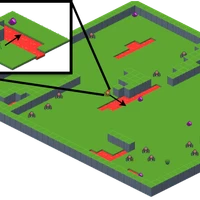




Scaling Exponents Across Parameterizations and Optimizers
Robust and effective scaling of models from small to large width typically requires the precise adjustment of many algorithmic and architectural details, such as parameterization and optimizer choices. In this work, we propose a new perspective on parameterization by investigating a key assumption in prior work about the alignment between parameters and data and derive new theoretical results under weaker assumptions and a broader set of optimizers. Our extensive empirical investigation includes tens of thousands of models trained with all combinations of three optimizers, four parameterizations, several alignment assumptions, more than a dozen learning rates, and fourteen model sizes up to 26.8B parameters. We find that the best learning rate scaling prescription would often have been excluded by the assumptions in prior work. Our results show that all parameterizations, not just maximal update parameterization (muP), can achieve hyperparameter transfer; moreover, our novel per-layer learning rate prescription for standard parameterization outperforms muP. Finally, we demonstrate that an overlooked aspect of parameterization, the epsilon parameter in Adam, must be scaled correctly to avoid gradient underflow and propose Adam-atan2, a new numerically stable, scale-invariant version of Adam that eliminates the epsilon hyperparameter entirely.
Scaling Laws for Sparsely-Connected Foundation Models
We explore the impact of parameter sparsity on the scaling behavior of Transformers trained on massive datasets (i.e., "foundation models"), in both vision and language domains. In this setting, we identify the first scaling law describing the relationship between weight sparsity, number of non-zero parameters, and amount of training data, which we validate empirically across model and data scales; on ViT/JFT-4B and T5/C4. These results allow us to characterize the "optimal sparsity", the sparsity level which yields the best performance for a given effective model size and training budget. For a fixed number of non-zero parameters, we identify that the optimal sparsity increases with the amount of data used for training. We also extend our study to different sparsity structures (such as the hardware-friendly n:m pattern) and strategies (such as starting from a pretrained dense model). Our findings shed light on the power and limitations of weight sparsity across various parameter and computational settings, offering both theoretical understanding and practical implications for leveraging sparsity towards computational efficiency improvements.


Learning to Relax: Setting Solver Parameters Across a Sequence of Linear System Instances
Solving a linear system Ax=b is a fundamental scientific computing primitive for which numerous solvers and preconditioners have been developed. These come with parameters whose optimal values depend on the system being solved and are often impossible or too expensive to identify; thus in practice sub-optimal heuristics are used. We consider the common setting in which many related linear systems need to be solved, e.g. during a single numerical simulation. In this scenario, can we sequentially choose parameters that attain a near-optimal overall number of iterations, without extra matrix computations? We answer in the affirmative for Successive Over-Relaxation (SOR), a standard solver whose parameter omega has a strong impact on its runtime. For this method, we prove that a bandit online learning algorithm--using only the number of iterations as feedback--can select parameters for a sequence of instances such that the overall cost approaches that of the best fixed omega as the sequence length increases. Furthermore, when given additional structural information, we show that a contextual bandit method asymptotically achieves the performance of the instance-optimal policy, which selects the best omega for each instance. Our work provides the first learning-theoretic treatment of high-precision linear system solvers and the first end-to-end guarantees for data-driven scientific computing, demonstrating theoretically the potential to speed up numerical methods using well-understood learning algorithms.
Go Wider Instead of Deeper
More transformer blocks with residual connections have recently achieved impressive results on various tasks. To achieve better performance with fewer trainable parameters, recent methods are proposed to go shallower by parameter sharing or model compressing along with the depth. However, weak modeling capacity limits their performance. Contrastively, going wider by inducing more trainable matrixes and parameters would produce a huge model requiring advanced parallelism to train and inference. In this paper, we propose a parameter-efficient framework, going wider instead of deeper. Specially, following existing works, we adapt parameter sharing to compress along depth. But, such deployment would limit the performance. To maximize modeling capacity, we scale along model width by replacing feed-forward network (FFN) with mixture-of-experts (MoE). Across transformer blocks, instead of sharing normalization layers, we propose to use individual layernorms to transform various semantic representations in a more parameter-efficient way. To evaluate our plug-and-run framework, we design WideNet and conduct comprehensive experiments on popular computer vision and natural language processing benchmarks. On ImageNet-1K, our best model outperforms Vision Transformer (ViT) by 1.5% with 0.72 times trainable parameters. Using 0.46 times and 0.13 times parameters, our WideNet can still surpass ViT and ViT-MoE by 0.8% and 2.1%, respectively. On four natural language processing datasets, WideNet outperforms ALBERT by 1.8% on average and surpass BERT using factorized embedding parameterization by 0.8% with fewer parameters.

Systematic Optimization of Open Source Large Language Models for Mathematical Reasoning
This paper presents a practical investigation into fine-tuning model parameters for mathematical reasoning tasks through experimenting with various configurations including randomness control, reasoning depth, and sampling strategies, careful tuning demonstrates substantial improvements in efficiency as well as performance. A holistically optimized framework is introduced for five state-of-the-art models on mathematical reasoning tasks, exhibiting significant performance boosts while maintaining solution correctness. Through systematic parameter optimization across Qwen2.5-72B, Llama-3.1-70B, DeepSeek-V3, Mixtral-8x22B, and Yi-Lightning, consistent efficiency gains are demonstrated with 100% optimization success rate. The methodology achieves an average 29.4% reduction in computational cost and 23.9% improvement in inference speed across all tested models. This framework systematically searches parameter spaces including temperature (0.1-0.5), reasoning steps (4-12), planning periods (1-4), and nucleus sampling (0.85-0.98), determining optimal configurations through testing on mathematical reasoning benchmarks. Critical findings show that lower temperature regimes (0.1-0.4) and reduced reasoning steps (4-6) consistently enhance efficiency without compromising accuracy. DeepSeek-V3 achieves the highest accuracy at 98%, while Mixtral-8x22B delivers the most cost-effective performance at 361.5 tokens per accurate response. Key contributions include: (1) the first comprehensive optimization study for five diverse SOTA models in mathematical reasoning, (2) a standardized production-oriented parameter optimization framework, (3) discovery of universal optimization trends applicable across model architectures, and (4) production-ready configurations with extensive performance characterization.



One-connection rule for structural equation models
Linear structural equation models are multivariate statistical models encoded by mixed graphs. In particular, the set of covariance matrices for distributions belonging to a linear structural equation model for a fixed mixed graph G=(V, D,B) is parameterized by a rational function with parameters for each vertex and edge in G. This rational parametrization naturally allows for the study of these models from an algebraic and combinatorial point of view. Indeed, this point of view has led to a collection of results in the literature, mainly focusing on questions related to identifiability and determining relationships between covariances (i.e., finding polynomials in the Gaussian vanishing ideal). So far, a large proportion of these results has focused on the case when D, the directed part of the mixed graph G, is acyclic. This is due to the fact that in the acyclic case, the parametrization becomes polynomial and there is a description of the entries of the covariance matrices in terms of a finite sum. We move beyond the acyclic case and give a closed form expression for the entries of the covariance matrices in terms of the one-connections in a graph obtained from D through some small operations. This closed form expression then allows us to show that if G is simple, then the parametrization map is generically finite-to-one. Finally, having a closed form expression for the covariance matrices allows for the development of an algorithm for systematically exploring possible polynomials in the Gaussian vanishing ideal.
The Test of Tests: A Framework For Differentially Private Hypothesis Testing
We present a generic framework for creating differentially private versions of any hypothesis test in a black-box way. We analyze the resulting tests analytically and experimentally. Most crucially, we show good practical performance for small data sets, showing that at epsilon = 1 we only need 5-6 times as much data as in the fully public setting. We compare our work to the one existing framework of this type, as well as to several individually-designed private hypothesis tests. Our framework is higher power than other generic solutions and at least competitive with (and often better than) individually-designed tests.
Two-timescale Extragradient for Finding Local Minimax Points
Minimax problems are notoriously challenging to optimize. However, we demonstrate that the two-timescale extragradient can be a viable solution. By utilizing dynamical systems theory, we show that it converges to points that satisfy the second-order necessary condition of local minimax points, under a mild condition. This work surpasses all previous results as we eliminate a crucial assumption that the Hessian, with respect to the maximization variable, is nondegenerate.
Data-Efficient Augmentation for Training Neural Networks
Data augmentation is essential to achieve state-of-the-art performance in many deep learning applications. However, the most effective augmentation techniques become computationally prohibitive for even medium-sized datasets. To address this, we propose a rigorous technique to select subsets of data points that when augmented, closely capture the training dynamics of full data augmentation. We first show that data augmentation, modeled as additive perturbations, improves learning and generalization by relatively enlarging and perturbing the smaller singular values of the network Jacobian, while preserving its prominent directions. This prevents overfitting and enhances learning the harder to learn information. Then, we propose a framework to iteratively extract small subsets of training data that when augmented, closely capture the alignment of the fully augmented Jacobian with labels/residuals. We prove that stochastic gradient descent applied to the augmented subsets found by our approach has similar training dynamics to that of fully augmented data. Our experiments demonstrate that our method achieves 6.3x speedup on CIFAR10 and 2.2x speedup on SVHN, and outperforms the baselines by up to 10% across various subset sizes. Similarly, on TinyImageNet and ImageNet, our method beats the baselines by up to 8%, while achieving up to 3.3x speedup across various subset sizes. Finally, training on and augmenting 50% subsets using our method on a version of CIFAR10 corrupted with label noise even outperforms using the full dataset. Our code is available at: https://github.com/tianyu139/data-efficient-augmentation
Developing an Explainable Artificial Intelligent (XAI) Model for Predicting Pile Driving Vibrations in Bangkok's Subsoil
This study presents an explainable artificial intelligent (XAI) model for predicting pile driving vibrations in Bangkok's soft clay subsoil. A deep neural network was developed using a dataset of 1,018 real-world pile driving measurements, encompassing variations in pile dimensions, hammer characteristics, sensor locations, and vibration measurement axes. The model achieved a mean absolute error (MAE) of 0.276, outperforming traditional empirical methods and other machine learning approaches such as XGBoost and CatBoost. SHapley Additive exPlanations (SHAP) analysis was employed to interpret the model's predictions, revealing complex relationships between input features and peak particle velocity (PPV). Distance from the pile driving location emerged as the most influential factor, followed by hammer weight and pile size. Non-linear relationships and threshold effects were observed, providing new insights into vibration propagation in soft clay. A web-based application was developed to facilitate adoption by practicing engineers, bridging the gap between advanced machine learning techniques and practical engineering applications. This research contributes to the field of geotechnical engineering by offering a more accurate and nuanced approach to predicting pile driving vibrations, with implications for optimizing construction practices and mitigating environmental impacts in urban areas. The model and its source code are publicly available, promoting transparency and reproducibility in geotechnical research.
A Systematic Computational Framework for Practical Identifiability Analysis in Mathematical Models Arising from Biology
Practical identifiability is a critical concern in data-driven modeling of mathematical systems. In this paper, we propose a novel framework for practical identifiability analysis to evaluate parameter identifiability in mathematical models of biological systems. Starting with a rigorous mathematical definition of practical identifiability, we demonstrate its equivalence to the invertibility of the Fisher Information Matrix. Our framework establishes the relationship between practical identifiability and coordinate identifiability, introducing a novel metric that simplifies and accelerates the evaluation of parameter identifiability compared to the profile likelihood method. Additionally, we introduce new regularization terms to address non-identifiable parameters, enabling uncertainty quantification and improving model reliability. To guide experimental design, we present an optimal data collection algorithm that ensures all model parameters are practically identifiable. Applications to Hill functions, neural networks, and dynamic biological models demonstrate the feasibility and efficiency of the proposed computational framework in uncovering critical biological processes and identifying key observable variables.
Large Memory Layers with Product Keys
This paper introduces a structured memory which can be easily integrated into a neural network. The memory is very large by design and significantly increases the capacity of the architecture, by up to a billion parameters with a negligible computational overhead. Its design and access pattern is based on product keys, which enable fast and exact nearest neighbor search. The ability to increase the number of parameters while keeping the same computational budget lets the overall system strike a better trade-off between prediction accuracy and computation efficiency both at training and test time. This memory layer allows us to tackle very large scale language modeling tasks. In our experiments we consider a dataset with up to 30 billion words, and we plug our memory layer in a state-of-the-art transformer-based architecture. In particular, we found that a memory augmented model with only 12 layers outperforms a baseline transformer model with 24 layers, while being twice faster at inference time. We release our code for reproducibility purposes.
The advantages of context specific language models: the case of the Erasmian Language Model
The current trend to improve language model performance seems to be based on scaling up with the number of parameters (e.g. the state of the art GPT4 model has approximately 1.7 trillion parameters) or the amount of training data fed into the model. However this comes at significant costs in terms of computational resources and energy costs that compromise the sustainability of AI solutions, as well as risk relating to privacy and misuse. In this paper we present the Erasmian Language Model (ELM) a small context specific, 900 million parameter model, pre-trained and fine-tuned by and for Erasmus University Rotterdam. We show how the model performs adequately in a classroom context for essay writing, and how it achieves superior performance in subjects that are part of its context. This has implications for a wide range of institutions and organizations, showing that context specific language models may be a viable alternative for resource constrained, privacy sensitive use cases.
Hyper-Parameter Optimization: A Review of Algorithms and Applications
Since deep neural networks were developed, they have made huge contributions to everyday lives. Machine learning provides more rational advice than humans are capable of in almost every aspect of daily life. However, despite this achievement, the design and training of neural networks are still challenging and unpredictable procedures. To lower the technical thresholds for common users, automated hyper-parameter optimization (HPO) has become a popular topic in both academic and industrial areas. This paper provides a review of the most essential topics on HPO. The first section introduces the key hyper-parameters related to model training and structure, and discusses their importance and methods to define the value range. Then, the research focuses on major optimization algorithms and their applicability, covering their efficiency and accuracy especially for deep learning networks. This study next reviews major services and toolkits for HPO, comparing their support for state-of-the-art searching algorithms, feasibility with major deep learning frameworks, and extensibility for new modules designed by users. The paper concludes with problems that exist when HPO is applied to deep learning, a comparison between optimization algorithms, and prominent approaches for model evaluation with limited computational resources.
Power Lines: Scaling Laws for Weight Decay and Batch Size in LLM Pre-training
Efficient LLM pre-training requires well-tuned hyperparameters (HPs), including learning rate {\eta} and weight decay {\lambda}. We study scaling laws for HPs: formulas for how to scale HPs as we scale model size N, dataset size D, and batch size B. Recent work suggests the AdamW timescale, B/({\eta}{\lambda}D), should remain constant across training settings, and we verify the implication that optimal {\lambda} scales linearly with B, for a fixed N,D. However, as N,D scale, we show the optimal timescale obeys a precise power law in the tokens-per-parameter ratio, D/N. This law thus provides a method to accurately predict {\lambda}opt in advance of large-scale training. We also study scaling laws for optimal batch size Bopt (the B enabling lowest loss at a given N,D) and critical batch size Bcrit (the B beyond which further data parallelism becomes ineffective). In contrast with prior work, we find both Bopt and Bcrit scale as power laws in D, independent of model size, N. Finally, we analyze how these findings inform the real-world selection of Pareto-optimal N and D under dual training time and compute objectives.
Pareto Manifold Learning: Tackling multiple tasks via ensembles of single-task models
In Multi-Task Learning (MTL), tasks may compete and limit the performance achieved on each other, rather than guiding the optimization to a solution, superior to all its single-task trained counterparts. Since there is often not a unique solution optimal for all tasks, practitioners have to balance tradeoffs between tasks' performance, and resort to optimality in the Pareto sense. Most MTL methodologies either completely neglect this aspect, and instead of aiming at learning a Pareto Front, produce one solution predefined by their optimization schemes, or produce diverse but discrete solutions. Recent approaches parameterize the Pareto Front via neural networks, leading to complex mappings from tradeoff to objective space. In this paper, we conjecture that the Pareto Front admits a linear parameterization in parameter space, which leads us to propose Pareto Manifold Learning, an ensembling method in weight space. Our approach produces a continuous Pareto Front in a single training run, that allows to modulate the performance on each task during inference. Experiments on multi-task learning benchmarks, ranging from image classification to tabular datasets and scene understanding, show that Pareto Manifold Learning outperforms state-of-the-art single-point algorithms, while learning a better Pareto parameterization than multi-point baselines.

Adam: A Method for Stochastic Optimization
We introduce Adam, an algorithm for first-order gradient-based optimization of stochastic objective functions, based on adaptive estimates of lower-order moments. The method is straightforward to implement, is computationally efficient, has little memory requirements, is invariant to diagonal rescaling of the gradients, and is well suited for problems that are large in terms of data and/or parameters. The method is also appropriate for non-stationary objectives and problems with very noisy and/or sparse gradients. The hyper-parameters have intuitive interpretations and typically require little tuning. Some connections to related algorithms, on which Adam was inspired, are discussed. We also analyze the theoretical convergence properties of the algorithm and provide a regret bound on the convergence rate that is comparable to the best known results under the online convex optimization framework. Empirical results demonstrate that Adam works well in practice and compares favorably to other stochastic optimization methods. Finally, we discuss AdaMax, a variant of Adam based on the infinity norm.
Random Sampling Plus Fake Data: Multidimensional Frequency Estimates With Local Differential Privacy
With local differential privacy (LDP), users can privatize their data and thus guarantee privacy properties before transmitting it to the server (a.k.a. the aggregator). One primary objective of LDP is frequency (or histogram) estimation, in which the aggregator estimates the number of users for each possible value. In practice, when a study with rich content on a population is desired, the interest is in the multiple attributes of the population, that is to say, in multidimensional data (d geq 2). However, contrary to the problem of frequency estimation of a single attribute (the majority of the works), the multidimensional aspect imposes to pay particular attention to the privacy budget. This one can indeed grow extremely quickly due to the composition theorem. To the authors' knowledge, two solutions seem to stand out for this task: 1) splitting the privacy budget for each attribute, i.e., send each value with fracε{d}-LDP (Spl), and 2) random sampling a single attribute and spend all the privacy budget to send it with ε-LDP (Smp). Although Smp adds additional sampling error, it has proven to provide higher data utility than the former Spl solution. However, we argue that aggregators (who are also seen as attackers) are aware of the sampled attribute and its LDP value, which is protected by a "less strict" e^ε probability bound (rather than e^{ε/d}). This way, we propose a solution named Random Sampling plus Fake Data (RS+FD), which allows creating uncertainty over the sampled attribute by generating fake data for each non-sampled attribute; RS+FD further benefits from amplification by sampling. We theoretically and experimentally validate our proposed solution on both synthetic and real-world datasets to show that RS+FD achieves nearly the same or better utility than the state-of-the-art Smp solution.

Merging Multi-Task Models via Weight-Ensembling Mixture of Experts
Merging various task-specific Transformer-based models trained on different tasks into a single unified model can execute all the tasks concurrently. Previous methods, exemplified by task arithmetic, have been proven to be both effective and scalable. Existing methods have primarily focused on seeking a static optimal solution within the original model parameter space. A notable challenge is mitigating the interference between parameters of different models, which can substantially deteriorate performance. In this paper, we propose to merge most of the parameters while upscaling the MLP of the Transformer layers to a weight-ensembling mixture of experts (MoE) module, which can dynamically integrate shared and task-specific knowledge based on the input, thereby providing a more flexible solution that can adapt to the specific needs of each instance. Our key insight is that by identifying and separating shared knowledge and task-specific knowledge, and then dynamically integrating them, we can mitigate the parameter interference problem to a great extent. We conduct the conventional multi-task model merging experiments and evaluate the generalization and robustness of our method. The results demonstrate the effectiveness of our method and provide a comprehensive understanding of our method. The code is available at https://anonymous.4open.science/r/weight-ensembling_MoE-67C9/

Revision of the Phenomenological Characteristics of the Algol-Type Stars Using the NAV Algorithm
Phenomenological characteristics of the sample of the Algol-type stars are revised using a recently developed NAV ("New Algol Variable") algorithm (2012Ap.....55..536A, 2012arXiv 1212.6707A) and compared to that obtained using common methods of Trigonometric Polynomial Fit (TP) or local Algebraic Polynomial (A) fit of a fixed or (alternately) statistically optimal degree (1994OAP.....7...49A, 2003ASPC..292..391A). The computer program NAV is introduced, which allows to determine the best fit with 7 "linear" and 5 "non-linear" parameters and their error estimates. The number of parameters is much smaller than for the TP fit (typically 20-40, depending on the width of the eclipse, and is much smaller (5-20) for the W UMa and beta Lyrae - type stars. This causes more smooth approximation taking into account the reflection and ellipsoidal effects (TP2) and generally different shapes of the primary and secondary eclipses. An application of the method to two-color CCD photometry to the recently discovered eclipsing variable 2MASS J18024395 + 4003309 = VSX J180243.9 +400331 (2015JASS...32..101A) allowed to make estimates of the physical parameters of the binary system based on the phenomenological parameters of the light curve. The phenomenological parameters of the light curves were determined for the sample of newly discovered EA and EW - type stars (VSX J223429.3+552903, VSX J223421.4+553013, VSX J223416.2+553424, US-NO-B1.0 1347-0483658, UCAC3-191-085589, VSX J180755.6+074711= UCAC3 196-166827). Despite we have used original observations published by the discoverers, the accuracy estimates of the period using the NAV method are typically better than the original ones.
Language Models are Super Mario: Absorbing Abilities from Homologous Models as a Free Lunch
In this paper, we uncover that Language Models (LMs), either encoder- or decoder-based, can obtain new capabilities by assimilating the parameters of homologous models without retraining or GPUs. Typically, new abilities of LMs can be imparted by Supervised Fine-Tuning (SFT), reflected in the disparity between fine-tuned and pre-trained parameters (i.e., delta parameters). We initially observe that by introducing a novel operation called DARE (Drop And REscale), most delta parameters can be directly set to zeros without affecting the capabilities of SFT LMs and larger models can tolerate a higher proportion of discarded parameters. Based on this observation, we further sparsify delta parameters of multiple SFT homologous models with DARE and subsequently merge them into a single model by parameter averaging. We conduct experiments on eight datasets from the GLUE benchmark with BERT and RoBERTa. We also merge WizardLM, WizardMath, and Code Alpaca based on Llama 2. Experimental results show that: (1) The delta parameter value ranges for SFT models are typically small, often within 0.005, and DARE can eliminate 99% of them effortlessly. However, once the models are continuously pre-trained, the value ranges can grow to around 0.03, making DARE impractical. We have also tried to remove fine-tuned instead of delta parameters and find that a 10% reduction can lead to drastically decreased performance (even to 0). This highlights that SFT merely stimulates the abilities via delta parameters rather than injecting new abilities into LMs; (2) DARE can merge multiple task-specific LMs into one LM with diverse abilities. For instance, the merger of WizardLM and WizardMath improves the GSM8K zero-shot accuracy of WizardLM from 2.2 to 66.3, retaining its instruction-following ability while surpassing WizardMath's original 64.2 performance. Codes are available at https://github.com/yule-BUAA/MergeLM.


DiffVox: A Differentiable Model for Capturing and Analysing Professional Effects Distributions
This study introduces a novel and interpretable model, DiffVox, for matching vocal effects in music production. DiffVox, short for ``Differentiable Vocal Fx", integrates parametric equalisation, dynamic range control, delay, and reverb with efficient differentiable implementations to enable gradient-based optimisation for parameter estimation. Vocal presets are retrieved from two datasets, comprising 70 tracks from MedleyDB and 365 tracks from a private collection. Analysis of parameter correlations highlights strong relationships between effects and parameters, such as the high-pass and low-shelf filters often behaving together to shape the low end, and the delay time correlates with the intensity of the delayed signals. Principal component analysis reveals connections to McAdams' timbre dimensions, where the most crucial component modulates the perceived spaciousness while the secondary components influence spectral brightness. Statistical testing confirms the non-Gaussian nature of the parameter distribution, highlighting the complexity of the vocal effects space. These initial findings on the parameter distributions set the foundation for future research in vocal effects modelling and automatic mixing. Our source code and datasets are accessible at https://github.com/SonyResearch/diffvox.


A Heavy-Metal Scenario of Ultra-High-Energy Cosmic Rays
The mass composition of ultra-high-energy cosmic rays is an open problem in astroparticle physics. It is usually inferred from the depth of the shower maximum (Xmax) of cosmic-ray showers, which is only ambiguously determined by modern hadronic interaction models. We examine a data-driven scenario, in which we consider the expectation value of Xmax as a free parameter. We test the novel hypothesis whether the cosmic-ray data from the Pierre Auger Observatory can be interpreted in a consistent picture, under the assumption that the mass composition of cosmic rays at the highest energies is dominated by high metallicity, resulting in pure iron nuclei at energies above ~40 EeV. We investigate the implications on astrophysical observations and hadronic interactions, and we discuss the global consistency of the data assuming this heavy-metal scenario. We conclude that the data from the Pierre Auger Observatory can be interpreted consistently if the expectation values for Xmax from modern hadronic interaction models are shifted to larger values.
Submodular Reinforcement Learning
In reinforcement learning (RL), rewards of states are typically considered additive, and following the Markov assumption, they are independent of states visited previously. In many important applications, such as coverage control, experiment design and informative path planning, rewards naturally have diminishing returns, i.e., their value decreases in light of similar states visited previously. To tackle this, we propose submodular RL (SubRL), a paradigm which seeks to optimize more general, non-additive (and history-dependent) rewards modelled via submodular set functions which capture diminishing returns. Unfortunately, in general, even in tabular settings, we show that the resulting optimization problem is hard to approximate. On the other hand, motivated by the success of greedy algorithms in classical submodular optimization, we propose SubPO, a simple policy gradient-based algorithm for SubRL that handles non-additive rewards by greedily maximizing marginal gains. Indeed, under some assumptions on the underlying Markov Decision Process (MDP), SubPO recovers optimal constant factor approximations of submodular bandits. Moreover, we derive a natural policy gradient approach for locally optimizing SubRL instances even in large state- and action- spaces. We showcase the versatility of our approach by applying SubPO to several applications, such as biodiversity monitoring, Bayesian experiment design, informative path planning, and coverage maximization. Our results demonstrate sample efficiency, as well as scalability to high-dimensional state-action spaces.
Compositional Score Modeling for Simulation-based Inference
Neural Posterior Estimation methods for simulation-based inference can be ill-suited for dealing with posterior distributions obtained by conditioning on multiple observations, as they tend to require a large number of simulator calls to learn accurate approximations. In contrast, Neural Likelihood Estimation methods can handle multiple observations at inference time after learning from individual observations, but they rely on standard inference methods, such as MCMC or variational inference, which come with certain performance drawbacks. We introduce a new method based on conditional score modeling that enjoys the benefits of both approaches. We model the scores of the (diffused) posterior distributions induced by individual observations, and introduce a way of combining the learned scores to approximately sample from the target posterior distribution. Our approach is sample-efficient, can naturally aggregate multiple observations at inference time, and avoids the drawbacks of standard inference methods.
Blending Is All You Need: Cheaper, Better Alternative to Trillion-Parameters LLM
In conversational AI research, there's a noticeable trend towards developing models with a larger number of parameters, exemplified by models like ChatGPT. While these expansive models tend to generate increasingly better chat responses, they demand significant computational resources and memory. This study explores a pertinent question: Can a combination of smaller models collaboratively achieve comparable or enhanced performance relative to a singular large model? We introduce an approach termed "blending", a straightforward yet effective method of integrating multiple chat AIs. Our empirical evidence suggests that when specific smaller models are synergistically blended, they can potentially outperform or match the capabilities of much larger counterparts. For instance, integrating just three models of moderate size (6B/13B paramaeters) can rival or even surpass the performance metrics of a substantially larger model like ChatGPT (175B+ paramaters). This hypothesis is rigorously tested using A/B testing methodologies with a large user base on the Chai research platform over a span of thirty days. The findings underscore the potential of the "blending" strategy as a viable approach for enhancing chat AI efficacy without a corresponding surge in computational demands.


Contributions to Robust and Efficient Methods for Analysis of High Dimensional Data
A ubiquitous feature of data of our era is their extra-large sizes and dimensions. Analyzing such high-dimensional data poses significant challenges, since the feature dimension is often much larger than the sample size. This thesis introduces robust and computationally efficient methods to address several common challenges associated with high-dimensional data. In my first manuscript, I propose a coherent approach to variable screening that accommodates nonlinear associations. I develop a novel variable screening method that transcends traditional linear assumptions by leveraging mutual information, with an intended application in neuroimaging data. This approach allows for accurate identification of important variables by capturing nonlinear as well as linear relationships between the outcome and covariates. Building on this foundation, I develop new optimization methods for sparse estimation using nonconvex penalties in my second manuscript. These methods address notable challenges in current statistical computing practices, facilitating computationally efficient and robust analyses of complex datasets. The proposed method can be applied to a general class of optimization problems. In my third manuscript, I contribute to robust modeling of high-dimensional correlated observations by developing a mixed-effects model based on Tsallis power-law entropy maximization and discussed the theoretical properties of such distribution. This model surpasses the constraints of conventional Gaussian models by accommodating a broader class of distributions with enhanced robustness to outliers. Additionally, I develop a proximal nonlinear conjugate gradient algorithm that accelerates convergence while maintaining numerical stability, along with rigorous statistical properties for the proposed framework.

RegMix: Data Mixing Augmentation for Regression
Data augmentation is becoming essential for improving regression performance in critical applications including manufacturing, climate prediction, and finance. Existing techniques for data augmentation largely focus on classification tasks and do not readily apply to regression tasks. In particular, the recent Mixup techniques for classification have succeeded in improving the model performance, which is reasonable due to the characteristics of the classification task, but has limitations in regression. We show that mixing examples that have large data distances using linear interpolations may have increasingly-negative effects on model performance. Our key idea is thus to limit the distances between examples that are mixed. We propose RegMix, a data augmentation framework for regression that learns for each example how many nearest neighbors it should be mixed with for the best model performance using a validation set. Our experiments conducted both on synthetic and real datasets show that RegMix outperforms state-of-the-art data augmentation baselines applicable to regression.
Hidden symmetries of ReLU networks
The parameter space for any fixed architecture of feedforward ReLU neural networks serves as a proxy during training for the associated class of functions - but how faithful is this representation? It is known that many different parameter settings can determine the same function. Moreover, the degree of this redundancy is inhomogeneous: for some networks, the only symmetries are permutation of neurons in a layer and positive scaling of parameters at a neuron, while other networks admit additional hidden symmetries. In this work, we prove that, for any network architecture where no layer is narrower than the input, there exist parameter settings with no hidden symmetries. We also describe a number of mechanisms through which hidden symmetries can arise, and empirically approximate the functional dimension of different network architectures at initialization. These experiments indicate that the probability that a network has no hidden symmetries decreases towards 0 as depth increases, while increasing towards 1 as width and input dimension increase.
Magnitude Invariant Parametrizations Improve Hypernetwork Learning
Hypernetworks, neural networks that predict the parameters of another neural network, are powerful models that have been successfully used in diverse applications from image generation to multi-task learning. Unfortunately, existing hypernetworks are often challenging to train. Training typically converges far more slowly than for non-hypernetwork models, and the rate of convergence can be very sensitive to hyperparameter choices. In this work, we identify a fundamental and previously unidentified problem that contributes to the challenge of training hypernetworks: a magnitude proportionality between the inputs and outputs of the hypernetwork. We demonstrate both analytically and empirically that this can lead to unstable optimization, thereby slowing down convergence, and sometimes even preventing any learning. We present a simple solution to this problem using a revised hypernetwork formulation that we call Magnitude Invariant Parametrizations (MIP). We demonstrate the proposed solution on several hypernetwork tasks, where it consistently stabilizes training and achieves faster convergence. Furthermore, we perform a comprehensive ablation study including choices of activation function, normalization strategies, input dimensionality, and hypernetwork architecture; and find that MIP improves training in all scenarios. We provide easy-to-use code that can turn existing networks into MIP-based hypernetworks.


Preserving Statistical Validity in Adaptive Data Analysis
A great deal of effort has been devoted to reducing the risk of spurious scientific discoveries, from the use of sophisticated validation techniques, to deep statistical methods for controlling the false discovery rate in multiple hypothesis testing. However, there is a fundamental disconnect between the theoretical results and the practice of data analysis: the theory of statistical inference assumes a fixed collection of hypotheses to be tested, or learning algorithms to be applied, selected non-adaptively before the data are gathered, whereas in practice data is shared and reused with hypotheses and new analyses being generated on the basis of data exploration and the outcomes of previous analyses. In this work we initiate a principled study of how to guarantee the validity of statistical inference in adaptive data analysis. As an instance of this problem, we propose and investigate the question of estimating the expectations of m adaptively chosen functions on an unknown distribution given n random samples. We show that, surprisingly, there is a way to estimate an exponential in n number of expectations accurately even if the functions are chosen adaptively. This gives an exponential improvement over standard empirical estimators that are limited to a linear number of estimates. Our result follows from a general technique that counter-intuitively involves actively perturbing and coordinating the estimates, using techniques developed for privacy preservation. We give additional applications of this technique to our question.
A Deep Learning Powered Numerical Relativity Surrogate for Binary Black Hole Waveforms
Gravitational-wave approximants are essential for gravitational-wave astronomy, allowing the coverage binary black hole parameter space for inference or match filtering without costly numerical relativity (NR) simulations, but generally trading some accuracy for computational efficiency. To reduce this trade-off, NR surrogate models can be constructed using interpolation within NR waveform space. We present a 2-stage training approach for neural network-based NR surrogate models. Initially trained on approximant-generated waveforms and then fine-tuned with NR data, these dual-stage artificial neural surrogate (DANSur) models offer rapid and competitively accurate waveform generation, generating millions in under 20ms on a GPU while keeping mean mismatches with NR around 10^{-4}. Implemented in the bilby framework, we show they can be used for parameter estimation tasks.

Sharp seasonal threshold property for cooperative population dynamics with concave nonlinearities
We consider a biological population whose environment varies periodically in time, exhibiting two very different "seasons" : one is favorable and the other one is unfavorable. For monotone differential models with concave nonlinearities, we address the following question: the system's period being fixed, under what conditions does there exist a critical duration for the unfavorable season? By "critical duration" we mean that above some threshold, the population cannot sustain and extincts, while below this threshold, the system converges to a unique periodic and positive solution. We term this a "sharp seasonal threshold property" (SSTP, for short). Building upon a previous result, we obtain sufficient conditions for SSTP in any dimension and apply our criterion to a two-dimensional model featuring juvenile and adult populations of insects.
Construction de variables a l'aide de classifieurs comme aide a la regression
This paper proposes a method for the automatic creation of variables (in the case of regression) that complement the information contained in the initial input vector. The method works as a pre-processing step in which the continuous values of the variable to be regressed are discretized into a set of intervals which are then used to define value thresholds. Then classifiers are trained to predict whether the value to be regressed is less than or equal to each of these thresholds. The different outputs of the classifiers are then concatenated in the form of an additional vector of variables that enriches the initial vector of the regression problem. The implemented system can thus be considered as a generic pre-processing tool. We tested the proposed enrichment method with 5 types of regressors and evaluated it in 33 regression datasets. Our experimental results confirm the interest of the approach.

Effectiveness of Data Augmentation for Parameter Efficient Tuning with Limited Data
Recent work has demonstrated that using parameter efficient tuning techniques such as prefix tuning (or P-tuning) on pretrained language models can yield performance that is comparable or superior to fine-tuning while dramatically reducing trainable parameters. Nevertheless, the effectiveness of such methods under the context of data augmentation, a common strategy to improve learning under low data regimes, has not been fully explored. In this paper, we examine the effectiveness of several popular task-agnostic data augmentation techniques, i.e., EDA, Back Translation, and Mixup, when using two general parameter efficient tuning methods, P-tuning v2 and LoRA, under data scarcity. We show that data augmentation can be used to boost the performance of P-tuning and LoRA models, but the effectiveness of each technique varies and certain methods can lead to a notable degradation in performance, particularly when using larger models and on harder tasks. We further analyze the sentence representations of P-tuning compared to fine-tuning to help understand the above behaviour, and reveal how P-tuning generally presents a more limited ability to separate the sentence embeddings from different classes of augmented data. In addition, it displays poorer performance on heavily altered data. However, we demonstrate that by adding a simple contrastive loss function it can help mitigate such issues for prefix tuning, resulting in sizable improvements to augmented data performance.
More Agents Is All You Need
We find that, simply via a sampling-and-voting method, the performance of large language models (LLMs) scales with the number of agents instantiated. Also, this method is orthogonal to existing complicated methods to further enhance LLMs, while the degree of enhancement is correlated to the task difficulty. We conduct comprehensive experiments on a wide range of LLM benchmarks to verify the presence of our finding, and to study the properties that can facilitate its occurrence. Our code is publicly available at: https://anonymous.4open.science/r/more_agent_is_all_you_need.
Science with the TianQin observatory: Preliminary results on stellar-mass binary black holes
We study the prospect of using TianQin to detect stellar-mass binary black holes (SBBHs). We estimate the expected detection number as well as the precision of parameter estimation on SBBH inspirals, using five different population models. We note TianQin can possibly detect a few SBBH inspirals with signal to noise ratios greater than 12; lowering the threshold and combining multiple detectors can both boost the detection number. The source parameters can be recovered with good precision for most events above the detection threshold. For example, the precision of the merger time most likely occurs near 1s, making it possible to guide the detection of the ground-based detectors, the precision of the eccentricity e_0 most likely occurs near 10^{-4}, making it possible to distinguish the formation channels, and the precision of the mass parameter is better than 10^{-6} in general and most likely occurs near 10^{-7}. We note, in particular, that for a typical merger event, the error volume is likely to be small enough to contain only the host galaxy, which could greatly help in the study of gravitational wave cosmology and relevant studies through the multimessenger observation.
Measuring a Parity Violation Signature in the Early Universe via Ground-based Laser Interferometers
We show that pairs of widely separated interferometers are advantageous for measuring the Stokes parameter V of a stochastic background of gravitational waves. This parameter characterizes asymmetry of amplitudes of right- and left-handed waves and generation of the asymmetry is closely related to parity violation in the early universe. The advantageous pairs include LIGO(Livingston)-LCGT and AIGO-Virgo that are relatively insensitive to Omega_GW (the simple intensity of the background). Using at least three detectors, information of the intensity Omega_GW and the degree of asymmetry V can be separately measured.
An adaptively inexact first-order method for bilevel optimization with application to hyperparameter learning
Various tasks in data science are modeled utilizing the variational regularization approach, where manually selecting regularization parameters presents a challenge. The difficulty gets exacerbated when employing regularizers involving a large number of hyperparameters. To overcome this challenge, bilevel learning can be employed to learn such parameters from data. However, neither exact function values nor exact gradients with respect to the hyperparameters are attainable, necessitating methods that only rely on inexact evaluation of such quantities. State-of-the-art inexact gradient-based methods a priori select a sequence of the required accuracies and cannot identify an appropriate step size since the Lipschitz constant of the hypergradient is unknown. In this work, we propose an algorithm with backtracking line search that only relies on inexact function evaluations and hypergradients and show convergence to a stationary point. Furthermore, the proposed algorithm determines the required accuracy dynamically rather than manually selected before running it. Our numerical experiments demonstrate the efficiency and feasibility of our approach for hyperparameter estimation on a range of relevant problems in imaging and data science such as total variation and field of experts denoising and multinomial logistic regression. Particularly, the results show that the algorithm is robust to its own hyperparameters such as the initial accuracies and step size.

An efficient Asymptotic-Preserving scheme for the Boltzmann mixture with disparate mass
In this paper, we develop and implement an efficient asymptotic-preserving (AP) scheme to solve the gas mixture of Boltzmann equations under the disparate mass scaling relevant to the so-called "epochal relaxation" phenomenon. The disparity in molecular masses, ranging across several orders of magnitude, leads to significant challenges in both the evaluation of collision operators and the designing of time-stepping schemes to capture the multi-scale nature of the dynamics. A direct implementation of the spectral method faces prohibitive computational costs as the mass ratio increases due to the need to resolve vastly different thermal velocities. Unlike [I. M. Gamba, S. Jin, and L. Liu, Commun. Math. Sci., 17 (2019), pp. 1257-1289], we propose an alternative approach based on proper truncation of asymptotic expansions of the collision operators, which significantly reduces the computational complexity and works well for small varepsilon. By incorporating the separation of three time scales in the model's relaxation process [P. Degond and B. Lucquin-Desreux, Math. Models Methods Appl. Sci., 6 (1996), pp. 405-436], we design an AP scheme that captures the specific dynamics of the disparate mass model while maintaining computational efficiency. Numerical experiments demonstrate the effectiveness of the proposed scheme in handling large mass ratios of heavy and light species, as well as capturing the epochal relaxation phenomenon.

Aspect-based Analysis of Advertising Appeals for Search Engine Advertising
Writing an ad text that attracts people and persuades them to click or act is essential for the success of search engine advertising. Therefore, ad creators must consider various aspects of advertising appeals (A^3) such as the price, product features, and quality. However, products and services exhibit unique effective A^3 for different industries. In this work, we focus on exploring the effective A^3 for different industries with the aim of assisting the ad creation process. To this end, we created a dataset of advertising appeals and used an existing model that detects various aspects for ad texts. Our experiments demonstrated that different industries have their own effective A^3 and that the identification of the A^3 contributes to the estimation of advertising performance.

On the Parameterization of Second-Order Optimization Effective Towards the Infinite Width
Second-order optimization has been developed to accelerate the training of deep neural networks and it is being applied to increasingly larger-scale models. In this study, towards training on further larger scales, we identify a specific parameterization for second-order optimization that promotes feature learning in a stable manner even if the network width increases significantly. Inspired by a maximal update parameterization, we consider a one-step update of the gradient and reveal the appropriate scales of hyperparameters including random initialization, learning rates, and damping terms. Our approach covers two major second-order optimization algorithms, K-FAC and Shampoo, and we demonstrate that our parameterization achieves higher generalization performance in feature learning. In particular, it enables us to transfer the hyperparameters across models with different widths.
Generating functions for some series of characters of classical Lie groups
There exist a number of well known multiplicative generating functions for series of Schur functions. Amongst these are some related to the dual Cauchy identity whose expansion coefficients are rather simple, and in some cases periodic in parameters specifying the Schur functions. More recently similar identities have been found involving expansions in terms of characters of the symplectic group. Here these results are extended and generalised to all classical Lie groups. This is done through the derivation of explicit recurrence relations for the expansion coefficients based on the action of the Weyl groups of both the symplectic and orthogonal groups. Copious results are tabulated in the form of explicit values of the expansion coefficients as functions of highest weight parameters. An alternative approach is then based on dual pairs of symplectic and/or orthogonal groups. A byproduct of this approach is that expansions in terms of spin orthogonal group characters can always be recovered from non-spin cases.
Multiple outlier detection tests for parametric models
We propose a simple multiple outlier identification method for parametric location-scale and shape-scale models when the number of possible outliers is not specified. The method is based on a result giving asymptotic properties of extreme z-scores. Robust estimators of model parameters are used defining z-scores. An extensive simulation study was done for comparing of the proposed method with existing methods. For the normal family, the method is compared with the well known Davies-Gather, Rosner's, Hawking's and Bolshev's multiple outlier identification methods. The choice of an upper limit for the number of possible outliers in case of Rosner's test application is discussed. For other families, the proposed method is compared with a method generalizing Gather-Davies method. In most situations, the new method has the highest outlier identification power in terms of masking and swamping values. We also created R package outliersTests for proposed test.
Extreme Compression of Large Language Models via Additive Quantization
The emergence of accurate open large language models (LLMs) has led to a race towards quantization techniques for such models enabling execution on end-user devices. In this paper, we revisit the problem of "extreme" LLM compression--defined as targeting extremely low bit counts, such as 2 to 3 bits per parameter, from the point of view of classic methods in Multi-Codebook Quantization (MCQ). Our work builds on top of Additive Quantization, a classic algorithm from the MCQ family, and adapts it to the quantization of language models. The resulting algorithm advances the state-of-the-art in LLM compression, outperforming all recently-proposed techniques in terms of accuracy at a given compression budget. For instance, when compressing Llama 2 models to 2 bits per parameter, our algorithm quantizes the 7B model to 6.93 perplexity (a 1.29 improvement relative to the best prior work, and 1.81 points from FP16), the 13B model to 5.70 perplexity (a .36 improvement) and the 70B model to 3.94 perplexity (a .22 improvement) on WikiText2. We release our implementation of Additive Quantization for Language Models AQLM as a baseline to facilitate future research in LLM quantization.



Schrödinger-Poisson systems with a general critical nonlinearity
We consider a Schr\"odinger-Poisson system involving a general nonlinearity at critical growth and we prove the existence of positive solutions. The Ambrosetti-Rabinowitz condition is not required. We also study the asymptotics of solutions with respect to a parameter.